

OnePlus 9 Review: Display, Audio and Overall Experience
When the OnePlus 9 arrived in March 2021, it landed in a strange spot. It was not the most expensive phone in the range, and it was not a budget phone either. It was the regular flagship, the one most people would actually buy, sitting just below the Pro model with almost the same speed and a lower price. This OnePlus 9 review looks at the three things that matter most in daily use: the screen, the sound, and how the phone feels after weeks of real use rather than ten minutes in a shop.
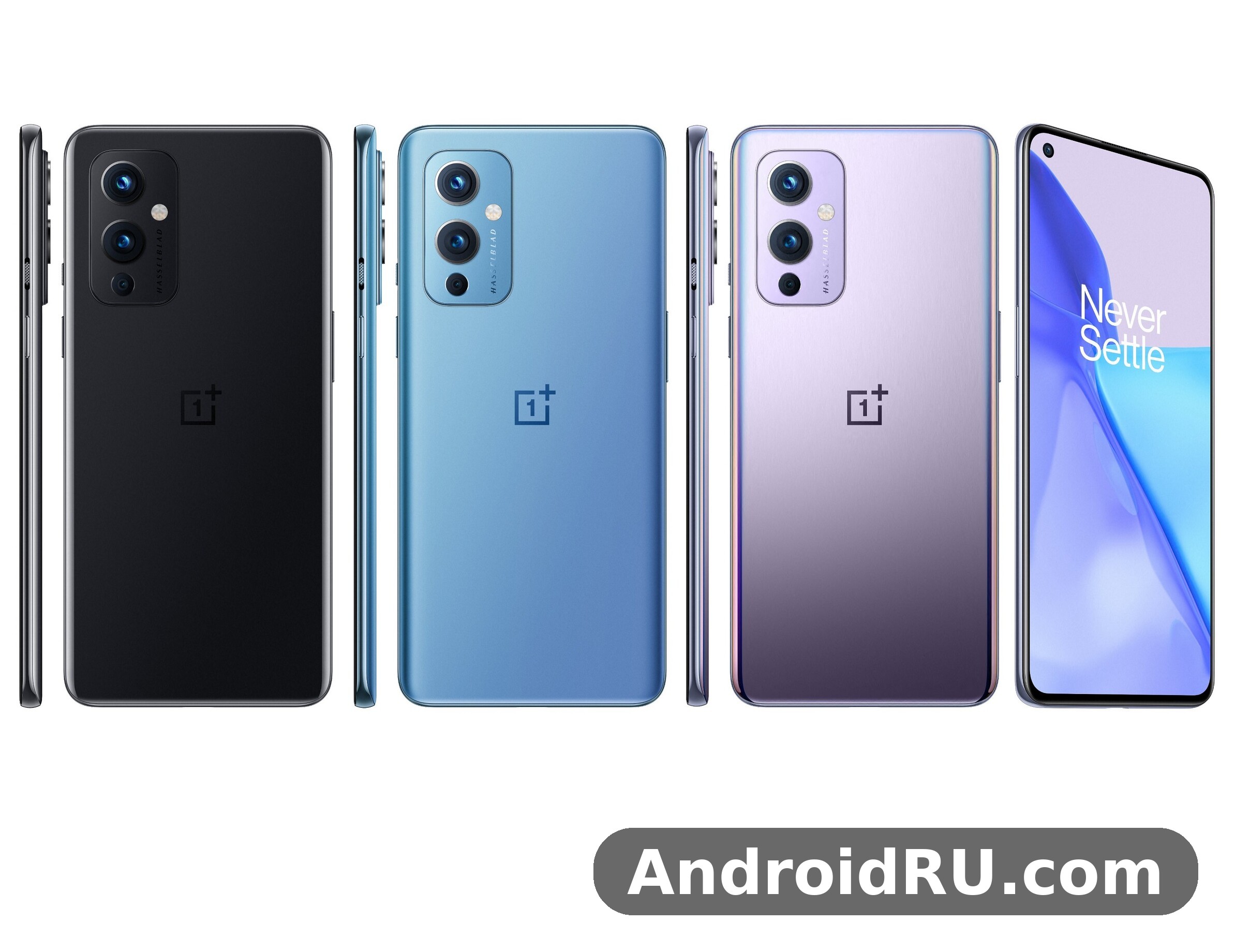
The headline facts are easy to list. A 6.55-inch Fluid AMOLED display with a 120Hz refresh rate, a Snapdragon 888 chipset, a Hasselblad-tuned camera system, and 65W wired charging that fills the 4,500mAh battery in well under an hour. Those numbers still read well years later, which is why the OnePlus 9 keeps showing up in second-hand listings and “best older flagship” conversations. The question is not whether the spec sheet looks good. The question is whether the OnePlus 9 display, the OnePlus 9 speakers, the OnePlus 9 battery and the OnePlus 9 camera all hold up when you live with the phone, and whether the OnePlus 9 price in 2026 makes it a smart buy or a false saving.
I spent time with the phone as a daily driver, not as a benchmark machine. That means commuting with it, watching video on it, taking photos in poor light, playing games on it, and charging it in a hurry before leaving the house. This article covers the display and audio in depth, because the title promises exactly that, then moves through performance, cameras, battery life, design, the full specifications, and an honest list of pros and cons. If you are choosing between this phone and its close relatives, the comparison section near the end puts the OnePlus 9 next to the Pro model and the newer mid-range OnePlus phones so you can see what you gain and what you give up.
OnePlus 9 Display Quality and 120Hz Fluid AMOLED Screen
The screen is the first thing you notice about the OnePlus 9, and it stays the best thing about it. This OnePlus 9 display quality review starts with the panel itself: a 6.55-inch Fluid AMOLED display with a resolution of 2400 by 1080 pixels, a 20:9 aspect ratio, and a refresh rate of up to 120Hz. Colours are vivid without looking artificial in the default Vivid mode, and the Natural mode tones things down for people who prefer accuracy. The panel supports HDR10+, which makes supported video on streaming apps look noticeably richer, with brighter highlights and deeper shadows than standard video.
Sharpness is not a problem. At 402 pixels per inch, text looks crisp at normal reading distance, and the flat panel avoids the accidental touches and colour shift at the edges that curved screens often bring. The flat screen is also easier to protect with a normal tempered glass screen protector, which is a small practical win that matters more than it sounds. The display is protected by Corning Gorilla Glass 5, and the punch-hole camera sits in the top-left corner where it rarely gets in the way of video or games.
The Fluid AMOLED display is the part of this phone that has aged best. Even now, it looks like a screen from a phone that cost more than this one did. Scrolling is smooth, animations are clean, and video looks bright and punchy. If the display is your top priority, the OnePlus 9 still delivers.
How the 120Hz Refresh Rate Feels in Daily Use
The OnePlus 9 screen refresh rate 120Hz setting is the single biggest reason the phone feels fast. The display refreshes 120 times per second, so scrolling through feeds, swiping between home screens, and moving through menus all look twice as smooth as on a standard 60Hz phone. You notice it most when you go back to a 60Hz screen afterwards; everything suddenly looks slightly choppy by comparison.
OnePlus lets you choose between 60Hz and 120Hz in the settings, and the phone drops the refresh rate when nothing is moving to save battery. In practice, I left it on 120Hz all the time. The battery cost is real but small, and the smoothness is worth it. Games that support high frame rates benefit too, though many popular games cap their frame rate below 120, so the biggest win is in the interface itself rather than in every game. The touch sampling rate is high enough that taps and swipes register quickly, which helps in fast games and when typing at speed.
Brightness and Outdoor Visibility
OnePlus 9 display brightness nits outdoor performance is solid rather than spectacular. The panel reaches around 1,100 nits at peak brightness, which is enough to read maps, messages and web pages in bright sunlight. In direct sun the screen stays readable, though it does not reach the searing brightness of the very latest flagship panels. Automatic brightness works well and adjusts quickly when you step indoors or outdoors, without the slow hunting up and down that some phones show.
Viewing angles are good, with only a slight shift in colour when you look at the screen from a steep angle. The screen handles reflections reasonably, and the oleophobic coating keeps fingerprints from building up too fast. For video, the HDR10+ support and the wide colour gamut make films and shows look genuinely good, and the flat panel means no distorted edges during full-screen playback. Night-time reading is helped by the reading mode and the dark mode, which turns most of the interface black and looks excellent on an AMOLED panel.
Always-On Display and Reading Mode
The OnePlus 9 always on display settings live under Settings, then Display, then Ambient Display. You can choose a clock style, show notifications, and set a schedule so the always-on screen only appears at certain hours. The OnePlus 9 always on display is useful for glancing at the time and notifications without waking the phone, and because only a few pixels light up, the battery cost is small. Reading mode turns the screen monochrome or chromatic for long reading sessions, and it is genuinely restful on the eyes during a long article or e-book chapter. Both features are easy to ignore if you do not want them, and easy to find if you do.
Colour Modes and Eye Comfort
The display settings offer Vivid, Natural and Advanced modes, with a colour temperature slider for people who find the default look too cool or too warm. I settled on Vivid with the temperature nudged slightly warm, which suits photos and video without making white backgrounds look yellow. Eye comfort mode cuts blue light in the evening, and the DC dimming option in the OnePlus Laboratory settings can reduce flicker at low brightness for people who are sensitive to it. These are small settings, but they add up to a screen you can tune to your own eyes rather than accept as it ships.
OnePlus 9 Audio Experience and Stereo Speakers
Audio is the second half of the title promise, and it is where the OnePlus 9 is good without being outstanding. The phone has stereo speakers, one firing from the bottom edge and one from the earpiece, and the pair produces a wider, louder sound than a single bottom speaker ever could. This OnePlus 9 stereo speakers review found the sound clean at moderate volume, with clear voices in video and dialogue, and enough volume to fill a quiet room. Push the volume to the top and the bass thins out, which is normal for a phone this slim, but distortion stays controlled.
The OnePlus 9 speakers benefit from Dolby Atmos tuning, which you can switch on in the sound settings. Atmos adds a sense of space to films and music, and it makes a real difference with headphones as well as with the built-in speakers. There is a graphic equaliser for people who like to shape the sound, with presets for music, films and games. I left Atmos on for video and switched it off for phone calls, where a flatter sound is easier to understand.
There is no headphone socket on this phone. The OnePlus 9 headphone jack question comes up in almost every buying conversation, and the answer is simple: it does not have one. You use the USB Type-C port with an adapter, or you use wireless headphones. The OnePlus 9 Bluetooth 5.2 connection is stable and supports aptX, aptX HD and LDAC, so good wireless headphones sound genuinely good. Pairing is quick, the range is solid through a couple of rooms, and I had no dropouts on walks or on the train. If you still own wired headphones you love, keep a small USB-C adapter in your bag, because the phone will not take a 3.5mm plug on its own.
Stereo Speaker Balance and Volume
The two speakers are not perfectly matched in volume, because the bottom speaker is larger than the earpiece speaker, but OnePlus balances them well enough that video sounds centred when you hold the phone in landscape. Voices stay clear, which matters more than bass for YouTube, calls on speakerphone and video meetings. Maximum volume is loud enough for a kitchen or a hotel room, and the phone does not rattle on a hard table the way some thin phones do. The speakers face the right way for landscape video, so your hands rarely cover both of them at once.
Headphones, Bluetooth Audio and Calls
Call quality is strong. The earpiece is loud and clear, the microphones pick up your voice well in a quiet room, and noise reduction copes with street noise better than I expected. On speakerphone calls, the other person stays easy to hear, and the phone switches sensibly between the earpiece and the loudspeaker. For music, the combination of Bluetooth 5.2, LDAC support and Dolby Atmos gives wireless listening a quality that would have needed a wired connection a few years ago. The OnePlus 9 USB Type-C port also carries digital audio cleanly, so a decent USB-C to 3.5mm adapter or a USB-C headset sounds as good as the headphones themselves allow.
Dolby Atmos Settings Worth Changing
Open Settings, then Sound and Vibration, then Dolby Atmos, and try the Movie preset for video and the Music preset for songs. The Dynamic preset switches automatically and is a good default if you do not want to think about it. The equaliser sits nearby, and a small bass lift suits podcasts and spoken word. These settings take two minutes to try and they change the sound more than any case or screen protector ever will.
OnePlus 9 Performance with Snapdragon 888
Speed is not a worry on the OnePlus 9. The Snapdragon 888 was the fastest Android chipset of its year, and it still handles everyday work without breaking a sweat. This OnePlus 9 Snapdragon 888 performance section covers what that means in practice: apps open quickly, the camera launches fast, web pages render without delay, and switching between a dozen apps rarely forces a reload. The phone comes with 8GB or 12GB of RAM and 128GB or 256GB of UFS 3.1 storage, and the OnePlus 9 UFS 3.1 storage speed test results show fast app installs and quick file transfers, which you feel every time you open a large game or copy a batch of photos.
Benchmarks put the phone in the range of roughly 700,000 to 800,000 points on AnTuTu, so the OnePlus 9 Antutu score sits comfortably in flagship territory for its generation. Benchmarks are only part of the story, though. What matters is that the phone does not stutter in the interface, does not hesitate when you open the camera, and does not slow down after a day of heavy use. The OnePlus 9 5G connection is fast where 5G coverage exists, and the OnePlus 9 WiFi 6 radio keeps local transfers and streaming quick on a modern router. The OnePlus 9 5G bands support list covers the common sub-6GHz bands used in most regions, so check your carrier’s bands before buying a second-hand unit imported from another market.
The Snapdragon 888 performance holds up because the chip was overpowered for most daily tasks in the first place. Three years after launch, the tasks that stress it are sustained gaming and heavy video work, not email, maps or social apps. For the way most people use a phone, this chip still has headroom.
Gaming on the Snapdragon 888
The OnePlus 9 gaming performance test results are strong for demanding titles. Genshin Impact, PUBG Mobile and Call of Duty Mobile all run at high settings with smooth frame rates, and the 120Hz display makes fast games feel responsive. The OnePlus 9 gaming mode, called Fnatic mode in the Game Space app, blocks notifications, locks the brightness, and prioritises network traffic for the game. It is easy to switch on from the game toolbar, and it stops the classic problem of a call or a message ruining a match.
One issue worth naming honestly is heat. The OnePlus 9 heating issue during gaming is real: the Snapdragon 888 runs hot under sustained load, and after twenty to thirty minutes of a demanding game the phone gets warm to the touch and may trim performance slightly to protect itself. It never becomes uncomfortable to hold, and the frame rate stays playable, but the phone does not sustain its peak speed forever. Shorter sessions and lighter games barely warm it at all. If you play demanding games for hours at a time, a case with good ventilation helps, and so does taking the phone out of a thick case during a long session.
Frame Rate Settings in Popular Games
In PUBG Mobile and Call of Duty Mobile, the high frame rate options are available and stable, and the phone holds them well in short matches. In Genshin Impact, the highest graphics preset runs smoothly at first and settles to a slightly lower, still playable frame rate as the phone warms up. Lowering shadows and motion blur a notch gives a steadier frame rate with almost no visible loss in quality, and that trade is worth making for long play sessions.
Heat During Long Sessions
The warmth concentrates near the camera module, which is where the chipset sits. It is warm, not hot, and the phone cools down quickly once you stop playing. Charging while gaming adds more heat, so the phone charges more slowly during a game to keep temperatures in check. That is sensible engineering rather than a fault, though it does mean you cannot expect the fastest charging speeds while also playing a demanding game.
Multitasking with 8GB and 12GB RAM
With 12GB of RAM, the OnePlus 9 keeps a dozen apps in memory without reloading them, and switching between a browser, a maps app, a music app and a messaging app is instant. The 8GB model is almost as good for normal use, and only heavy multitaskers who keep many large apps open will notice the difference. OxygenOS is light and close to stock Android in feel, with useful extras rather than duplicated apps. This OnePlus 9 OxygenOS 11 review note matters: the phone launched on OxygenOS 11 based on Android 11, with a clean interface, fast animations, and the alert slider for switching between ring, vibrate and silent.
The OnePlus 9 software update Android 13 path took the phone to OxygenOS 13, which changed the look of the interface and added new features, and that was the last major Android version for this model. Security updates continued after that, but buyers in 2026 should check the current update status before paying, because a phone that no longer receives updates needs more care about which apps you install. The software itself remains fast and pleasant, and the gesture navigation, dark mode and customisation options are all well done. For a closer look at how the newer speed-focused model in the family handles daily use, read the OnePlus 9RT Review: Display Quality, Speed and Daily Use, which covers a phone built around the same idea of fast everyday performance.
OnePlus 9 Camera System with Hasselblad Colour
The camera system is where OnePlus spent its marketing budget, and it shows in the hardware. The main camera uses a 48MP Sony IMX689 sensor with optical image stabilisation, the ultrawide camera uses a 50MP Sony IMX766 sensor with a freeform lens that reduces distortion at the edges, and a 2MP monochrome camera assists with black and white shots. The Hasselblad name appears on the camera module, and the partnership brought Hasselblad colour calibration and a Hasselblad Pro mode to the camera app. This OnePlus 9 Hasselblad camera test found the colour tuning to be the most visible result of the partnership: photos look natural, with skin tones that stay true and greens that do not turn neon.
The OnePlus 9 camera review in short is that the main camera is very good, the ultrawide camera is unusually good for its class, and the third camera is mostly a footnote. The OnePlus 9 mono camera purpose explained simply is that it captures black and white detail to support monochrome photos; it does not take colour photos on its own, and most owners will barely notice it is there. The front camera is a 16MP sensor in the punch hole, and it handles video calls and selfies well. For a wider look at how the cheaper sibling in the same family handles photography, see the OnePlus 9R Review: Screen Quality, Cameras and Charging, which trades some camera hardware for a lower price.
Main Camera in Daylight and Low Light
In daylight, the main camera produces sharp, detailed photos with good dynamic range. The 48MP sensor bins pixels down to 12MP by default, which gives cleaner images with less noise, and you can switch to full 48MP when you want maximum detail for a crop. Colours are pleasing without being overcooked, and the Hasselblad colour profile keeps reds and greens honest. Autofocus is quick, the shutter is responsive, and the camera app launches fast enough to catch a moment rather than miss it.
Low light is handled by Nightscape mode, which combines several exposures into one brighter, cleaner image. Handheld night shots of streets, restaurants and rooms come out usable rather than muddy, with noise kept under control and highlights that do not blow out completely. The optical stabilisation helps a lot here, letting the phone use longer exposures without blur. Very dark scenes still show noise if you look closely, and moving subjects can blur, but for still scenes the results are far better than a phone of this price had any right to deliver in 2021.
Hasselblad Colour Calibration
The Hasselblad colour calibration is most obvious in portraits and food photos, where skin and warm tones look natural instead of orange. The Pro mode adds Hasselblad-style controls, including a shutter button modelled on Hasselblad cameras and the ability to shoot in 12-bit RAW for editing later. Most owners will never open Pro mode, and that is fine; the automatic mode already carries the colour tuning, so the benefit shows up in ordinary photos rather than only in manual shots.
Ultrawide Camera and Nightscape
The ultrawide camera is the surprise star of this phone. Because it uses a large 50MP sensor instead of a small secondary sensor, ultrawide photos keep detail and colour that match the main camera far better than usual. The freeform lens keeps straight lines straight at the edges, so buildings and horizons do not bend the way they do on cheaper ultrawide cameras. The OnePlus 9 ultrawide camera night mode works well too, and Nightscape on the ultrawide produces usable evening shots of landscapes and city streets.
The ultrawide also doubles as the macro camera, focusing as close as about 4 centimetres, which is fun for flowers, food and small objects. Portrait mode uses the main camera, and the OnePlus 9 portrait mode edge detection is good in daylight, keeping hair and glasses mostly clean from the blurred background, though it can struggle with busy backgrounds and fine hair in poor light. There is no telephoto camera, so zoom beyond 2x is digital and loses detail quickly; if zoom matters to you, that is a genuine gap, and the Pro model is the one with a telephoto lens.
Video Recording and the Front Camera
Video is strong. The main camera records 8K video at 30 frames per second, and the OnePlus 9 video recording 8K quality is detailed in good light, though 4K at 60 frames per second is the more practical choice, with better stabilisation and smaller files. Electronic stabilisation keeps walking footage smooth, and the ultrawide camera can record video too, which is useful for vlogging and for tight spaces. Slow motion and time-lapse modes are present, and the video colour profile matches the photo colour profile, so clips cut together nicely.
The OnePlus 9 front camera quality is solid for selfies and video calls. The 16MP sensor captures good detail in daylight, and portrait mode on the front camera blurs the background cleanly for video calls and social photos. In low light the front camera softens detail and shows noise, which is normal for a small sensor, but for calls and casual selfies it does the job well. Video from the front camera tops out at 1080p, which is enough for calls and most social video.
OnePlus 9 Battery Life and Warp Charge 65T
The battery is a 4,500mAh cell split into two 2,250mAh cells, which is what allows the very fast charging. This OnePlus 9 battery life test found a full day of normal use comfortable, with around six to seven hours of screen-on time on Wi-Fi and a mix of browsing, messaging, video and photography. Heavy days with lots of gaming, camera use and 5G will end the day closer to empty, and a day of navigation with the screen on bright will drain the battery faster still, as it does on every phone.
Standby drain is low. The OnePlus 9 battery drain overnight test showed a loss of only a few percent over eight hours with the always-on display off, and slightly more with it on, which is a good result and means the phone does not need charging every night if you go to bed with a healthy charge. The 120Hz display costs some battery, and switching to 60Hz adds a little extra life, but most owners will prefer to keep 120Hz and charge faster instead, because the charging is where this phone really shines.
Charging Speed in Real Use
OnePlus 9 Warp Charge 65T speed is the headline: the included 65W charger takes the battery from empty to full in about 29 minutes, and a 15-minute charge from empty gives roughly 60 percent, which is enough for most of a day. The OnePlus 9 charging story is simple and honest, because the fast charger comes in the box, unlike some rivals that sell it separately. The phone charges quickly because of the dual-cell battery design, and it stays reasonably cool while doing so, with the charger and the phone sharing the work.
Wireless charging is supported at up to 15W, so the OnePlus 9 wireless charging 15W feature works with ordinary Qi chargers, though it is slower than the 50W wireless charging on the Pro model. A full wireless charge takes well over an hour, so wireless charging suits a desk or a bedside table rather than a quick top-up before leaving the house. Reverse wireless charging is not supported, so you cannot use the phone to charge earbuds. The OnePlus 9 battery setup overall is practical: a full day of use, a very fast wired top-up when you need it, and slow but convenient wireless charging when you do not.
How Long the Battery Lasts in a Day
A typical day of messaging, browsing, an hour of video and some photography leaves the phone at around 30 to 40 percent by bedtime, which is comfortable. A heavy day of gaming and 5G video streaming can push it to single digits by the evening, and that is when the fast charger earns its keep. Battery health after years of use depends on how the phone was charged, so a second-hand buyer should check the battery health in the settings and expect some wear on a phone from 2021. If the battery has degraded, a replacement battery is inexpensive compared with buying a newer phone, and it restores the original endurance.
OnePlus 9 Design, Build and Daily Use
The OnePlus 9 looks like a flagship and feels like one in the hand, with one honest compromise hiding in the frame. The back is glass, the front is Gorilla Glass 5, and the colours are Astral Black, Arctic Sky and Winter Mist. The OnePlus 9 Astral Black vs Arctic Sky choice comes down to taste: Astral Black is a glossy dark finish that shows fingerprints, Arctic Sky is a matte blue-purple gradient that hides them better, and Winter Mist is a soft purple-grey that sits between the two. The OnePlus 9 colours all look better in person than in product photos, and the matte finishes feel better in the hand.
The phone measures 160.0 by 74.2 by 8.7 millimetres and weighs 192 grams. The OnePlus 9 weight grams figure of 192g is light for a phone with a 6.55-inch screen and a 4,500mAh battery, and the OnePlus 9 dimensions keep it comfortable for one-handed use most of the time, though reaching the top corner of the screen still needs a small hand shuffle. The camera module sits in the top-left corner of the back and sticks out enough to make the phone rock slightly on a table, which a case fixes. The frame is plastic rather than metal, which is the cost saving that buyers rarely notice until they are told, and it keeps the weight down.
There is no official water resistance rating on the standard OnePlus 9. The OnePlus 9 IP rating situation is that the phone has no official IP68 rating, unlike the Pro model, so OnePlus never claimed it could survive being submerged. It will survive rain and splashes in practice, but you should not take it swimming or use it in the shower. The OnePlus 9 NFC support is present for contactless payments and pairing, the OnePlus 9 alert slider on the right edge switches between ring, vibrate and silent without waking the screen, and there is no microSD card slot, so the OnePlus 9 microSD slot question has a short answer: it does not have one, and the storage you buy is the storage you keep.
Daily use is where the phone earns its keep. The alert slider is the kind of small feature you miss the moment you use a phone without it, and the haptics are precise enough that typing feels satisfying rather than buzzy. The OnePlus 9 dual SIM support details are straightforward: two nano-SIM cards, dual standby, and 5G on the primary SIM, which suits people who carry a work number and a personal number. The phone supports two SIMs at once, and switching data between them takes a few taps in the settings.
In-Display Fingerprint and Haptics
The fingerprint sensor sits under the display and works well. The OnePlus 9 in-display fingerprint speed test in daily use shows unlocks in well under a second with a registered finger, and the sensor works with a screen protector fitted. It is an optical sensor, so it struggles slightly with wet fingers, and face unlock is there as a faster backup for times when your hands are wet or gloved. The OnePlus 9 fingerprint setup takes a minute and is worth doing carefully, because a careful enrolment gives faster unlocks later. The OnePlus 9 haptics vibration motor quality is good, with short, precise taps for typing and notifications rather than the long buzz that cheap motors produce.
Colours and In-Hand Feel
The OnePlus 9 Gorilla Glass back is smooth and cool to the touch, and the matte finishes grip better than the glossy black. The phone balances well, with the weight spread evenly rather than top-heavy, and the flat display makes it easy to hold without accidental touches. The buttons are firm, the alert slider clicks positively into each position, and the USB Type-C port sits on the bottom edge next to the main speaker and the SIM tray. A case is worth buying, because the glass back is slippery on smooth surfaces and the camera module protrudes, but the phone itself feels solid and well made without one.
Full Specifications
The OnePlus 9 specs below are the launch specifications for the global model, and they cover every part of the phone in one place. If you are comparing this phone with a newer model or with a second-hand listing, check the RAM and storage of the exact unit you are buying, because the phone was sold in 8GB with 128GB storage and 12GB with 256GB storage versions, and the two versions feel different in heavy multitasking.
OnePlus 9 Full Specifications Table
| Feature | OnePlus 9 Specification |
|---|---|
| Display | 6.55-inch Fluid AMOLED, 2400 x 1080, 120Hz, HDR10+, Gorilla Glass 5 |
| Chipset | Qualcomm Snapdragon 888, octa-core, 5nm |
| RAM | 8GB or 12GB LPDDR5 |
| Storage | 128GB or 256GB UFS 3.1, no microSD slot |
| Rear camera | 48MP main (Sony IMX689, OIS) + 50MP ultrawide (Sony IMX766) + 2MP mono, Hasselblad colour |
| Front camera | 16MP, fixed focus, 1080p video |
| Video | 8K at 30fps, 4K at 60fps, slow motion, time-lapse |
| Battery | 4,500mAh dual-cell, Warp Charge 65T wired, 15W wireless |
| Operating system | OxygenOS 11 based on Android 11 at launch, upgradable to OxygenOS 13 based on Android 13 |
| Build | Glass back, Gorilla Glass 5 front, plastic frame, no official IP rating |
| Audio | Stereo speakers, Dolby Atmos, no 3.5mm headphone socket, Bluetooth 5.2 with aptX HD and LDAC |
| Connectivity | 5G sub-6GHz, Wi-Fi 6, Bluetooth 5.2, NFC, GPS, USB Type-C |
| Security | In-display optical fingerprint sensor, face unlock, alert slider |
| Dimensions | 160.0 x 74.2 x 8.7 mm |
| Weight | 192 grams |
| Colours | Astral Black, Arctic Sky, Winter Mist |
| SIM | Dual nano-SIM, dual standby |
OnePlus 9 vs OnePlus 9 Pro Comparison
The closest comparison for most buyers is the Pro model from the same year. The OnePlus 9 vs OnePlus 9 Pro question has no single right answer, because the two phones share the same chipset and the same main camera sensor, and the differences are in the screen, the charging and the extra cameras. The table below puts the two phones side by side so you can see what the extra money bought.
| Feature | OnePlus 9 | OnePlus 9 Pro |
|---|---|---|
| Display | 6.55-inch flat Fluid AMOLED, 120Hz, FHD+ | 6.7-inch curved LTPO Fluid AMOLED, 120Hz, QHD+ |
| Chipset | Snapdragon 888 | Snapdragon 888 |
| Rear cameras | 48MP main + 50MP ultrawide + 2MP mono | 48MP main + 50MP ultrawide + 8MP telephoto 3.3x |
| Battery and charging | 4,500mAh, 65W wired, 15W wireless | 4,500mAh, 65W wired, 50W wireless |
| Water resistance | No official IP rating | IP68 rated |
| Build | Glass back, plastic frame | Glass back, metal frame |
| Launch price | From 729 US dollars | From 969 US dollars |
If the Pro model tempts you, the full picture is in the OnePlus 9 Pro Review: Gaming, Multitasking and Battery Life, which covers its gaming performance, its larger curved screen and its faster wireless charging in detail. If you would rather spend less and keep most of the speed, the newer mid-range option is worth a look in the OnePlus 10R Review: Camera Quality, Battery and Value, which trades the flagship chipset for a lower price and a bigger battery.
What Is in the Box
The retail box contains the phone, a 65W Warp Charge power adapter, a USB-C to USB-C cable, a SIM ejector tool, a protective case, and a pre-applied screen protector. The charger in the box is a real advantage, because it means the fastest charging speed works from day one without an extra purchase. The included case is basic but useful, and it protects the camera module from scratches on a table.
OnePlus 9 Pros and Cons and Who Should Buy It
After weeks of use, the OnePlus 9 settles into a clear shape: a fast, good-looking phone with a great screen and very fast charging, held back by a few honest compromises that OnePlus made to hit its price. The pros and cons below are the ones that actually affected daily use, not the ones that only show up on a spec sheet.
Pros
- The 6.55-inch 120Hz Fluid AMOLED display is bright, smooth and accurate, and it remains one of the best screens at this price even years after launch.
- Warp Charge 65T fills the battery in about 29 minutes, and the 65W charger comes in the box, so fast charging works from the first day.
- The Snapdragon 888 with 8GB or 12GB of RAM keeps the phone fast for apps, games and multitasking, with UFS 3.1 storage that loads large apps quickly.
- The ultrawide camera uses a large 50MP sensor, so ultrawide photos keep detail and colour that cheaper ultrawide cameras lose.
- OxygenOS is clean, fast and close to stock Android in feel, with the alert slider and good haptics adding small daily pleasures.
- Stereo speakers with Dolby Atmos sound clear and loud enough for video, calls and music in a quiet room.
Cons
- There is no official water resistance rating, so the phone has no IP68 protection and should stay away from pools and baths.
- There is no telephoto camera, so zoom beyond 2x is digital and loses detail quickly.
- The Snapdragon 888 runs warm during long gaming sessions and may trim performance slightly to manage heat.
- There is no headphone socket and no microSD card slot, so wired headphones need an adapter and storage cannot be expanded.
- Major software updates ended with Android 13, so buyers in 2026 should check the current security update status before paying.
- Wireless charging is limited to 15W, which is much slower than the 50W wireless charging on the Pro model.
Who the OnePlus 9 Is For
The OnePlus 9 suits someone who wants a fast flagship screen, fast charging and a good main camera without paying the Pro price. It suits people who watch a lot of video, who play games in short sessions, and who value clean software and the alert slider. It suits buyers who found a good second-hand unit with a healthy battery, because the OnePlus 9 price in 2026 for a used phone in good condition is far below the launch price of 729 US dollars, and at that price the screen and the charging alone are hard to beat. Check the battery health, check that the screen has no burn-in, and check the current software version before you pay, because those three checks decide whether a used OnePlus 9 is a bargain or a disappointment.
It is less suited to people who need a telephoto zoom, who need an official water resistance rating, or who play demanding games for hours at a time. It is also less suited to buyers who want many more years of major software updates, because this phone has already received its last major Android version. If any of those points matter more than the screen and the charging speed, the Pro model or a newer mid-range phone may fit better.
OnePlus 9 Frequently Asked Questions
Does the OnePlus 9 have wireless charging?
Yes. The OnePlus 9 supports wireless charging at up to 15W with ordinary Qi chargers, so it works with most wireless charging pads and stands. It is much slower than the 65W wired charging, taking well over an hour for a full charge, so it suits a desk or a bedside table rather than a quick top-up. The phone does not support reverse wireless charging, so it cannot charge earbuds or another phone.
Is the OnePlus 9 waterproof?
No, not officially. The OnePlus 9 has no official IP rating, which means OnePlus never certified it against water immersion. It will survive rain and splashes in normal use, but you should not take it swimming, use it in the shower, or submerge it in water. If water resistance matters to you, the OnePlus 9 Pro from the same year carries an IP68 rating and is the safer choice.
How long does the OnePlus 9 battery last?
A full charge lasts a full day of normal use, with around six to seven hours of screen-on time on a mix of Wi-Fi browsing, messaging, video and photography. Heavy gaming, 5G streaming and navigation drain it faster, and a heavy day can end with the battery in single digits. The fast charger softens that problem, because a 15-minute charge from empty adds roughly 60 percent, which is enough for most of an evening.
Does the OnePlus 9 still get software updates?
The OnePlus 9 launched on OxygenOS 11 based on Android 11 and was updated to OxygenOS 13 based on Android 13, which was its last major Android version. Security updates continued after that, but the phone is now past the end of its major update window, so buyers in 2026 should check the exact software version and the date of the latest security patch on the unit they are buying. The phone remains fast and usable on its final software, but it will not receive new Android versions.
Final Verdict on the OnePlus 9
The OnePlus 9 is a phone that got its priorities right. The 120Hz AMOLED screen is excellent, the charging is genuinely fast, the performance is still strong, and the main and ultrawide cameras take photos that hold up years later. Its weaknesses are honest ones: no official water resistance, no telephoto camera, a warm chipset under long gaming loads, and a software update window that has now closed. None of those flaws ruins the phone, and all of them were visible on the spec sheet from the start.
For anyone buying in 2026, the decision is about price and condition. A well-kept second-hand OnePlus 9 with a healthy battery is one of the best-value phones with a 120Hz AMOLED screen and 65W charging, and it still feels like a flagship in the hand. If you want a newer take on the same idea of speed and a big screen, the OnePlus 10T Review: Display Quality, Speed and Daily Use covers the later model that pushed charging and performance even further. Whichever you choose, check the battery health, check the screen, and try the 120Hz display and the fast charger on the first day, because those two features are the reason people still recommend this phone.

