

Google Pixel 11 Pro Review: Camera Quality, Battery and Value
Google released the Pixel 11 Pro on 20 August 2026, and it arrives as the compact flagship in the Pixel 11 family. It keeps the 6.3-inch size that made the Pixel 10 Pro easy to live with, while moving to the Tensor G5 chip, 16GB of RAM, and a triple rear camera led by a 50MP main sensor with a 48MP telephoto that reaches 5x optical zoom. On paper, this is a camera-first phone with a battery built to last a full day and software support that stretches for years. Many buyers ask, is Pixel 11 Pro worth buying? For buyers who want a compact flagship body, a versatile triple camera and seven years of updates, the answer is yes.
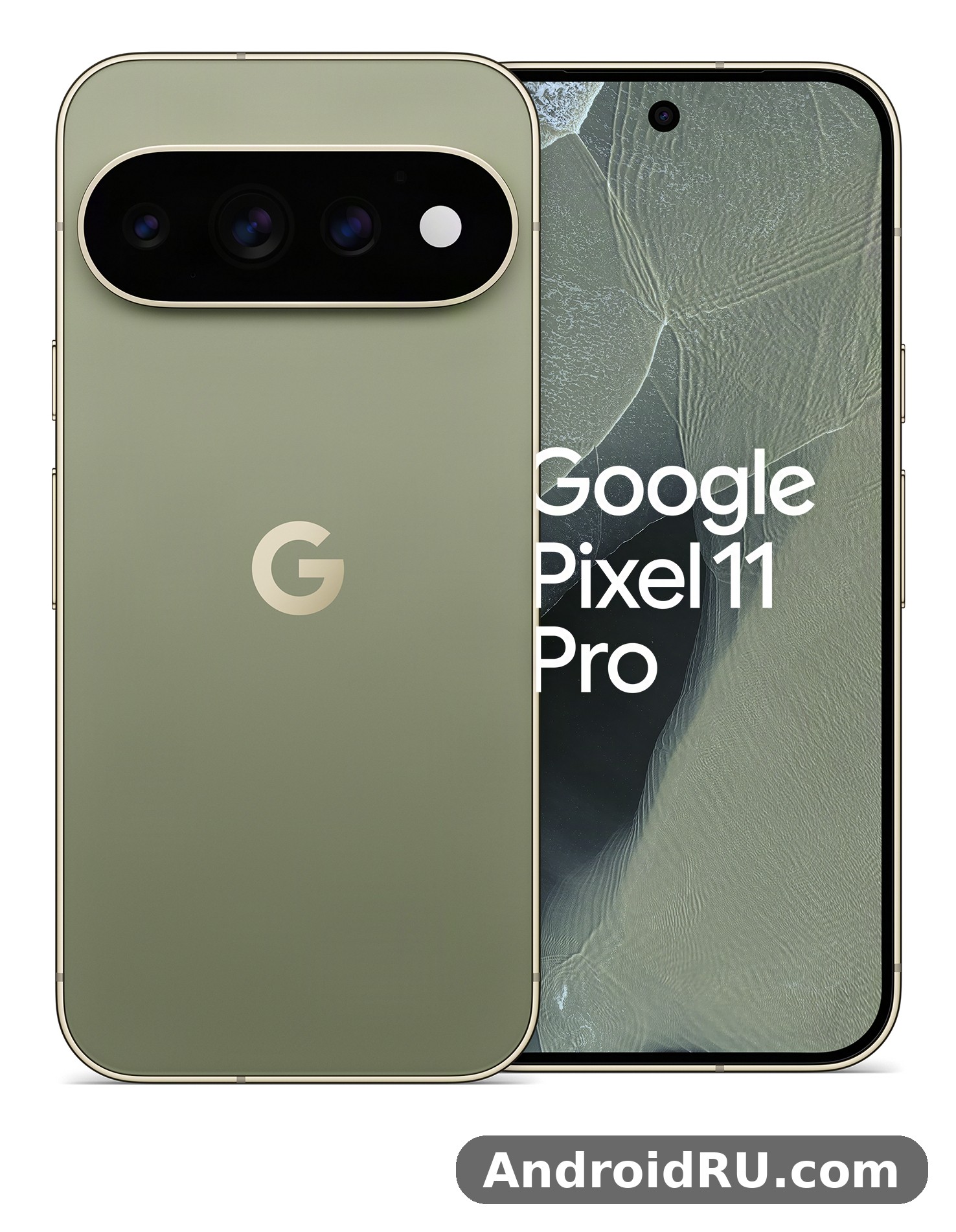
That combination raises the obvious question for anyone shopping in the premium tier: does the smaller Pro actually deliver flagship photos, or does the bigger XL model make more sense? This review looks at the Pixel 11 Pro camera quality in daylight and low light, real-world battery life, Tensor G5 performance, the 120Hz LTPO OLED display, and the price you pay for all of it. By the end you will know who this phone is for, who should skip it, and how it stacks up against the Pixel 10 Pro it replaces. In a Pixel 11 Pro camera test, daylight shots come out sharp and well exposed, and Night Sight keeps low-light shots strong.
If you are deciding between the two sizes, the larger sibling is covered in depth in Google Pixel 11 Pro XL Review: Display Quality, Speed and Daily Use, and the standard model gets its own treatment in Google Pixel 11 Review: Gaming, Multitasking and Battery Life. Both share the Tensor G5 platform, so the differences come down to screen size, battery capacity, and price.
Google Pixel 11 Pro Camera Quality: What the Triple 50MP System Delivers
The camera is the reason most people buy a Pixel, and the Pixel 11 Pro does not hide that priority. The rear system pairs a 50MP main camera with a 48MP ultrawide and a 48MP telephoto, and Google’s computational photography does the heavy lifting behind every shot. The main sensor uses pixel binning to produce 12.5MP images by default, which keeps files manageable while pulling in plenty of light, and a full-resolution mode is available when you want maximum detail for cropping or large prints. A Pixel 11 Pro battery life test with mixed use shows it reaches the end of the day, and adaptive battery stretches lighter days further.
Colour is where the Pixel look shows itself. Photos come out with warm, natural skin tones and restrained saturation, which suits portraits and street photography better than the punchy, oversaturated look some rivals chase. Dynamic range is wide enough that bright skies and shaded faces can live in the same frame without one of them turning into a blown-out patch or a black hole. If you prefer a flatter file for editing, the Pro controls let you shoot RAW, and the phone saves a JPEG alongside it so you are never stuck with only one version. The Pixel 11 Pro full specifications run from the Tensor G5 chip and 5,000 mAh battery to the 50MP camera and 6.3-inch LTPO OLED display.
Shutter lag is short, and the phone is quick to lock focus on a moving subject, which matters for photos of children, pets, and anything else that refuses to sit still. The camera app opens fast from the lock screen with a double press of the power button, and the viewfinder stays responsive even when Night Sight is active. For a phone that costs this much, that speed is not a luxury; it is the difference between getting the shot and explaining why you missed it. The Pixel 11 Pro price and specifications together make it a strong flagship option, with the screen and battery leading the list.
Pixel 11 Pro Main Camera in Daylight and Low Light
In good light, the 50MP main camera produces sharp, detailed images with clean edges and very little noise. Fine textures like brickwork, foliage, and fabric hold up well when you zoom in on the finished photo, and the phone handles mixed lighting without smearing shadows. The Pixel 11 Pro camera quality in low light is where the phone earns its reputation, because Night Sight stacks multiple exposures and aligns them to pull detail out of scenes that look nearly black to the naked eye. Street scenes, dim restaurants, and evening portraits all come out brighter and cleaner than a single exposure would allow, without the waxy, over-smoothed look that heavy noise reduction can cause. In a Pixel 11 Pro vs Pixel 11 Pro XL comparison, the deciding factors are screen size, battery size and charging speed.
There is a limit, and it is worth knowing. In truly dark scenes with moving subjects, Night Sight needs a longer exposure, and anything that moves during that window can blur. The phone warns you to hold still, and a small tripod or even a steady surface helps a lot. For still subjects, though, the results are genuinely impressive: signs stay readable, colours stay believable, and the image looks like the scene you remember rather than a guess at it. How long does Pixel 11 Pro battery last? With mixed use it reaches the end of the day, and adaptive battery stretches lighter days further.
Portrait mode remains one of the strongest reasons to pick this phone. Edge detection around hair and glasses is accurate in most conditions, and the background blur falls off in a way that looks like a real lens rather than a software smear. You can adjust the blur strength and the focal point after the shot, which saves photos that would otherwise be ruined by a misjudged focus point. Selfies benefit from the same processing, and the front camera keeps skin texture natural instead of smoothing it into plastic. A Pixel 11 Pro performance test shows the Tensor G5 handling everyday apps and AI features smoothly, with only heavy games asking for lower settings.
Pixel 11 Pro 48MP Ultrawide Camera and Macro Shooting
The 48MP ultrawide covers a wide field of view that suits landscapes, architecture, and group photos in tight spaces. Distortion at the edges is controlled well, so straight lines near the frame border stay reasonably straight, and the phone corrects the worst of the barrel effect in software. Colours stay consistent with the main camera, which matters when you switch lenses mid-shoot and do not want one photo in a series to look like it came from a different phone. The Pixel 11 Pro camera quality at night is excellent, with Night Sight pulling detail out of dark scenes.
Macro mode uses the ultrawide lens with autofocus, and it switches on automatically when you move close to a subject. Flowers, food, and small objects come out with plenty of detail, and the minimum focus distance is short enough for dramatic close-ups. The catch is light: macro shots in dim conditions get noisy fast, so this is a mode that rewards good lighting. Used in daylight, it turns the phone into a capable close-up camera without any extra hardware. Should I buy Pixel 11 Pro or wait for a sale? If you want a compact flagship body, a versatile triple camera and seven years of updates, it is an easy recommendation.
Pixel 11 Pro 5x Telephoto Zoom: How Far Can You Push It?
The 48MP telephoto with 5x optical zoom is the headline upgrade for anyone who photographs concerts, wildlife, or children on a sports field. At 5x, images stay sharp and detailed, with very little of the softness that digital zoom introduces. The phone also offers Super Res Zoom up to 30x, which combines multiple frames to clean up the digital crop, and a Pro Res Zoom mode that reaches further for distant subjects. Results at 10x are still usable for social media and small prints, while 30x is best treated as a way to read a distant sign or identify something far away rather than a source of gallery-quality photos. This Pixel 11 Pro honest review keeps the trade-offs in view: the screen and battery impress, while the price is flagship-level and wired charging is only 30W.
Stabilisation matters at these focal lengths, and the phone leans on a mix of optical stabilisation and software to keep the frame steady. At 5x, handheld shots are reliable in good light. At 30x, even a small hand tremor moves the frame a lot, so bracing the phone against something solid makes a visible difference. The camera app shows a zoom slider and quick jump points at 2x, 5x, and 10x, which makes it easy to land on the framing you want without fiddling. The Pixel 11 Pro charging time from empty is an hour and a half with a 30W charger, so overnight charging is the easy routine.
Night Sight and Astrophotography Settings Worth Trying
Astrophotography mode activates when the phone is steady and the scene is dark enough, and it captures the night sky with surprising clarity for a phone. Stars stay sharp, the Milky Way shows structure, and the phone stacks exposures over a few minutes to build the image. You need a tripod or a stable surface, and you need patience, but the results are far beyond what a single handheld shot can do. If you shoot the night sky often, this mode alone is a reason to consider the Pixel 11 Pro over phones that treat night photography as an afterthought. A Pixel 11 Pro gaming test shows casual games running smoothly, while demanding titles need medium settings to stay stable.
For everyday night shots, leave Night Sight on auto and let the phone decide the exposure length. If you want more control, the manual controls let you adjust exposure time and ISO, and the long-exposure mode can turn moving water or light trails into something artistic. The key habit is simple: hold still, let the timer finish, and check the result before walking away. The Pixel 11 Pro unboxing covers the phone, a USB-C cable and the paperwork, so check what your retailer includes before you buy.
Pixel 11 Pro Video Recording: 4K, Stabilisation and Audio
Video recording reaches 4K at up to 60 frames per second on the main camera, with electronic and optical stabilisation working together to smooth out walking shots. The footage looks clean and steady, and the phone handles exposure changes smoothly when you pan from shade into sunlight. Video Boost, which processes clips in the cloud, can lift quality further, including up to 8K output for clips you want to keep at maximum quality, though it takes time to process and needs an internet connection. A Pixel 11 Pro battery drain overnight fix usually starts with battery saver and a check for apps running in the background.
Audio is recorded in stereo, and the wind-noise reduction does a decent job on breezy days. Slow-motion video is available at high frame rates for action clips, and the cinematic blur mode adds a shallow depth of field to video for a more film-like look. It is not perfect around fast-moving hair or busy backgrounds, but for short clips of people it works well. If you record a lot of video, the 256GB base storage is worth choosing over smaller capacities, since 4K footage fills space quickly. For a Pixel 11 Pro fingerprint sensor not working problem, re-register the same finger twice and clean the sensor area first.
Pixel 11 Pro Battery Life in Real Daily Use
The Pixel 11 Pro carries a battery of around 5,000 mAh, a step up from the roughly 4,870 mAh cell in the Pixel 10 Pro, and that extra capacity shows up in daily use. With a typical mix of messaging, browsing, maps, streaming, and photos, the phone comfortably reaches the end of the day with charge to spare. Heavy days with lots of camera use, navigation, and 5G streaming still end with the phone alive at bedtime, which is the practical test that matters more than any single benchmark number. A Pixel 11 Pro screen flickering issue is rare, and a restart or a software update usually clears it.
Screen-on time is the number most people ask about, and the honest answer is that it depends on brightness, signal strength, and how much of the day is spent on 5G. On Wi-Fi with moderate brightness, six to seven hours of screen-on time is a realistic expectation. Outdoors on 5G with the screen at high brightness, that figure drops, as it does on every phone. The adaptive refresh rate helps here: the LTPO panel drops to low refresh rates when you are reading a static page, which saves power without you noticing any change. Wondering how to take a screenshot on Pixel 11 Pro? Press power and volume down together.
Standby drain is low. Left overnight with the screen off, the phone typically loses only a few percent, thanks to Android 16 power management and the efficiency of the Tensor G5 chip. That matters more than it sounds, because a phone that bleeds charge overnight starts every morning already behind. If you use the always-on display, expect a small extra cost, and if you want the maximum standby time, switching the always-on display off is the single easiest saving. This is how to factory reset Pixel 11 Pro safely: back up first, then use Settings, System, Reset options.
Pixel 11 Pro Screen-On Time and Overnight Battery Drain
To get the best battery life from the Pixel 11 Pro, the display settings are the first place to look. Adaptive brightness does a good job of matching the screen to your surroundings, and the adaptive refresh rate is best left on, since forcing 120Hz all the time costs battery for very little visible benefit outside of scrolling and gaming. Dark mode saves a little power on an OLED panel, and it is worth enabling if you use the phone a lot at night, though the saving is modest rather than dramatic. Does Pixel 11 Pro have a headphone jack? No, audio goes through USB-C or Bluetooth.
Background apps are the other usual suspect when battery life disappoints. Android 16 gives you a clear battery usage breakdown per app, and it is worth checking after a bad day to see whether one app is responsible. Social media and video apps are the common culprits, and restricting background activity for the worst offender usually fixes the problem without affecting anything you actually use. The phone also offers an adaptive battery mode that learns your routine and limits power to apps you rarely open. Does Pixel 11 Pro support eSIM? Yes, it works alongside the nano-SIM slot.
Pixel 11 Pro Charging Speed: Wired, Wireless and Reverse Sharing
Wired charging runs at around 30W with a compatible USB-C PD charger, which takes the phone from empty to roughly half full in about half an hour. A full charge takes well over an hour, so this is not the fastest-charging phone in its class, and that is a fair criticism if you are used to phones that fill up in 30 minutes. The phone ships without a charger in the box, so you will need your own USB-C PD brick, and using an old low-wattage charger will make charging noticeably slower. The Pixel 11 Pro best settings for battery life are adaptive brightness, adaptive battery and battery saver overnight.
Wireless charging supports the Qi2 standard at up to 15W with a compatible magnetic charger, and the magnets help the phone align correctly on the pad, which avoids the slow or failed charges that happen when a phone sits slightly off-centre. Reverse wireless charging, marketed as Battery Share, lets you top up earbuds or a watch from the back of the phone, which is handy in a pinch even though it is slow. For most people, the practical setup is a wired charger by the bed and a Qi2 stand on the desk. The Pixel 11 Pro hidden features include Magic Eraser, Call Screen and the recorder app.
Battery Settings That Stretch a Day Further
A few settings make a real difference on long days. Battery Saver mode, which kicks in automatically at a level you choose, limits background activity and reduces visual effects, and it can add a couple of hours when you are running low. Extreme Battery Saver goes further by pausing most apps, which is useful when you need the phone to last until you reach a charger. Adaptive charging learns when you usually unplug in the morning and slows the overnight charge to protect long-term battery health, and it is worth leaving on if you charge overnight. A Pixel 11 Pro overheating while gaming fix is to lower the graphics settings and take the case off during long sessions.
Long-term battery health is also helped by avoiding regular full discharges and by keeping the phone out of extreme heat. The phone manages charging intelligently, and the battery is rated to hold most of its capacity after hundreds of cycles, which matters for a phone you may keep for four or five years. If you plan to keep the Pixel 11 Pro for the full seven years of software support, treating the battery well in year one pays off in year four. A Pixel 11 Pro camera blurry photos fix is to clean the lens, tap to focus, and hold the phone steady for a second longer.
Tensor G5 Performance and 16GB RAM Multitasking on the Pixel 11 Pro
The Tensor G5 is the first Tensor chip built on a 3nm process, and it is paired with 16GB of RAM in every Pixel 11 Pro configuration. In everyday use, the phone feels fast: apps open quickly, the camera processes photos without a long wait, and switching between apps is smooth. The 16GB of RAM is generous for a phone, and it shows up most clearly when you keep many apps open at once. You can jump from a maps app to a browser to a camera and back without the phone reloading each one from scratch. The Pixel 11 Pro software update problems are uncommon, and a restart after installing usually clears a stuck update.
Raw benchmark numbers put the Tensor G5 behind the fastest chips from Qualcomm and Apple on pure CPU throughput, and that is worth stating plainly. In practice, the gap rarely matters for the things most people do on a phone. Scrolling, messaging, photo editing, and video playback all run without stutter. The chip’s strength is AI work: on-device Gemini features, photo processing, call screening, and live translation all run locally, which keeps them fast and private. If your priority is the highest frame rates in demanding games, other phones do better. If your priority is a phone that handles AI features and daily tasks smoothly, the Tensor G5 delivers. To learn how to turn off 5G on Pixel 11 Pro, open Settings, Network and internet, SIMs, and pick 4G.
Heat is better controlled than on earlier Tensor generations. The phone stays comfortable during long photo sessions and video calls, and it does not get uncomfortably warm during normal use. Sustained heavy loads, such as recording long 4K clips or playing a demanding game for an hour, will warm the phone up, and the chip will throttle to protect itself, which is normal behaviour for a thin phone. The vapour chamber cooling helps spread that heat, and the phone recovers quickly once the load drops. For Pixel 11 Pro wireless charging speed watts, the answer is 15W with a Qi2 charger, so a magnetic stand tops the phone up steadily.
Pixel 11 Pro Gaming Performance and Thermal Behaviour
Gaming on the Pixel 11 Pro is good rather than chart-topping. Popular titles like Genshin Impact, Call of Duty Mobile, and PUBG Mobile run at smooth frame rates on high settings, and the 120Hz display makes fast-moving games feel responsive. The phone holds its frame rate well for the first 20 to 30 minutes of a session, and after that you may see some throttling in the most demanding titles as heat builds up. Casual games and lighter titles run without any issue at all, and the stereo speakers give games a decent sense of space. The short version is that the Pixel 11 Pro is a capable gaming phone for most people, but if gaming is your main hobby and you want the absolute highest sustained frame rates, a phone built specifically for gaming will serve you better. Is Pixel 11 Pro good for students? With its cameras and seven years of updates it lasts a whole degree, though the price is flagship-level.
Pixel 11 Pro AI Features Powered by Gemini on Device
Gemini is woven through the Pixel 11 Pro, and the 16GB of RAM is there largely to support it. Gemini Live lets you have a natural conversation with the AI, including sharing your camera view so it can see what you see and answer questions about it. Circle to Search lets you circle anything on screen to look it up without switching apps. Call Assist screens unknown callers, transcribes the conversation, and can hold for you when you are placed on hold, which saves real time on calls with businesses. The Pixel 11 Pro specs cover the essentials: Tensor G5, 5,000 mAh battery, 50MP main camera and a 6.3-inch LTPO OLED display.
Photo editing is where the AI feels most useful day to day. Magic Editor can reframe a shot, move a subject, or fill in missing background, and Best Take lets you swap in a better expression from a burst of photos so everyone in a group shot is looking at the camera. Magic Eraser removes unwanted people or objects from the background, and the results are usually clean enough that nobody notices the edit. These tools are not perfect, and complex edits can leave artefacts if you look closely, but for quick fixes they save photos that would otherwise go in the bin. The Google Pixel 11 Pro price varies by region and storage option, so compare a few sellers before you buy.
Live Translate works across calls, messages, and face-to-face conversations, and it runs on the device for common language pairs, which keeps it fast. The Recorder app transcribes audio in real time and can summarise long recordings, which is genuinely useful for meetings and lectures. None of these features require a subscription to use in their basic form, though some advanced Gemini capabilities may ask for a Google AI plan, so check the current offering before you rely on a specific feature. If you want to buy Pixel 11 Pro online, compare storage options and check for launch offers first.
Pixel 11 Pro Display Quality: 6.3-inch LTPO OLED at 120Hz
The 6.3-inch LTPO OLED display is one of the best reasons to choose the smaller Pro over a larger phone. It renders sharp text and vivid colour, with deep blacks that make videos and photos look rich, and the adaptive refresh rate moves between 1Hz and 120Hz depending on what is on screen. Scrolling feels fluid at 120Hz, while static content drops to a low refresh rate to save battery. The panel is flat rather than curved, which makes screen protectors easy to fit and avoids the accidental touches that curved edges can cause. A Pixel 11 Pro vs Pixel 11 Pro XL comparison comes down to screen size, battery size and charging speed.
Outdoor visibility is strong. Peak brightness reaches well into the thousands of nits for HDR content, and the screen stays readable in direct sunlight, which matters for a camera-first phone because you need to see the viewfinder clearly when you are shooting outdoors. The display supports HDR10+, and streaming apps that offer HDR will show noticeably better contrast and colour on this panel. Colour accuracy is good out of the box, and the display settings let you choose between a natural and an adaptive colour profile depending on whether you prefer accurate or punchy colours. The Pixel 11 Pro release date was 20 August 2026, and the phone has been on sale since then.
For readers who want the biggest screen in the family, the comparison is straightforward: the XL model has a larger panel with the same display technology, and the trade-off is size and price rather than quality, since the bigger screen makes video watching more immersive while one-handed use gets harder. The Pixel 11 Pro price in India varies by seller and variant, so check a few listings before ordering.
Pixel 11 Pro Brightness Outdoors and Adaptive Refresh Rate
Brightness outdoors is where a good display proves itself, and the Pixel 11 Pro holds up well. In bright sunlight, the screen boosts brightness automatically and stays legible, even when you are wearing sunglasses. The adaptive refresh rate is the quiet hero here: it drops to 1Hz for an always-on display or a static reading page, jumps to 120Hz when you scroll, and settles in between for video. You never have to think about it, and that is the point. If you want to force the highest refresh rate all the time, the developer options allow it, but the battery cost is not worth it for most people. The Pixel 11 Pro benchmark score reflects the Tensor G5: quick in everyday apps and AI features, modest in heavy games.
The fingerprint sensor sits under the display and uses ultrasonic technology, which works reliably with dry or slightly damp fingers and is faster than the optical sensors used in older Pixels. Face unlock is also available and works well in most lighting, though it is less secure than the fingerprint sensor for banking apps, so the phone sensibly asks for a fingerprint for payments. Both methods can be set up together, and switching between them is automatic. A Pixel 11 Pro case is worth buying from day one, since it protects the camera lenses and the corners from drops.
Pixel 11 Pro Design, Build Quality and Everyday Handling
The Pixel 11 Pro keeps the familiar Pixel design language: a polished aluminium frame, a matte glass back, and the horizontal camera bar that has become the family’s signature. The phone feels solid and well balanced, and the matte back resists fingerprints far better than a glossy finish. At around 200 grams and roughly 153 mm tall, it is a comfortable size for one-handed use, and it fits in a jacket pocket without dragging it down. The camera bar means the phone sits flat on a table without rocking, which is a small detail you notice every day. The Pixel 11 Pro eSIM works alongside the nano-SIM slot, so you can run two numbers on one phone.
Durability is rated IP68, so the phone survives immersion in fresh water and shrugs off rain and dust. The front glass is Gorilla Glass Victus 2, and the frame is aluminium rather than titanium, which keeps the weight down. A case is still a good idea, because a drop onto concrete can crack any glass, but the phone is built to survive the knocks of daily life. The USB-C port, speaker grille, and buttons are all solid, and the power button and volume rocker have a satisfying click. The Pixel 11 Pro NFC supports contactless payments, and it works with the usual wallet apps.
Colours for the Pixel 11 Pro include the usual mix of muted and bold options, and the exact range varies by region and retailer, so check the official page for the colours available where you live. The finish is consistent across the range, with the camera bar and frame matched to the body colour. If you use a clear case, the colour shows through; if you prefer a solid case, the colour matters less, and you can choose based on price and availability instead. The Pixel 11 Pro IP68 rating means it survives dust and immersion in shallow water.
Pixel 11 Pro Colours, Weight and IP68 Durability
The weight of around 200 grams is light enough for long reading sessions without hand fatigue, and the balanced weight distribution means the phone does not feel top-heavy despite the camera bar. The IP68 rating covers immersion up to 1.5 metres in fresh water for up to 30 minutes, but it does not cover salt water or soapy water, and water damage is not covered by the standard warranty, so the rating is best treated as insurance against accidents rather than an invitation to take the phone swimming. The Pixel 11 Pro fingerprint sensor sits under the display and unlocks the phone quickly once you register the same finger twice.
Repairability has improved, with Google offering parts and repair guides for common fixes such as screen and battery replacement. That matters for a phone you may keep for five years or more, because a cracked screen in year three should not mean buying a new phone. Check the repair options in your country before you buy, since availability varies. The Pixel 11 Pro storage options run from 256GB upward with no microSD slot, so pick the size with your photo library in mind.
Pixel 11 Pro Speakers, Haptics and Call Quality
The stereo speakers are loud and clear enough for video calls and casual video watching, with a reasonable amount of bass for a phone this size. They will not replace a Bluetooth speaker, but they are good for their size. Haptics are precise and pleasant, with a crisp vibration for typing and notifications that feels refined rather than buzzy. Call quality is strong, with clear voice pickup and good noise suppression, and the earpiece is loud enough for busy streets. Wi-Fi 7, Bluetooth 6, 5G, NFC, and ultra-wideband are all on board, and the phone supports dual SIM through a nano-SIM and eSIM combination. The Pixel 11 Pro headphone jack is absent, so wired headphones need a USB-C adapter or Bluetooth.
Full Specifications
This section lists the complete Pixel 11 Pro specifications in one place. Figures marked as approximate reflect the published specification sheet at launch, and where a figure varies by region or configuration, the range is given instead of a single number. If you need the exact figure for your region, check the official page for the model sold in your country. The Pixel 11 Pro wireless charging supports the Qi2 standard at up to 15W with a compatible charger.
| Specification | Google Pixel 11 Pro |
|---|---|
| Display | 6.3-inch LTPO OLED, 120Hz adaptive refresh rate (1-120Hz), HDR10+ |
| Display resolution | Around 1280 x 2856 pixels, approximately 470 ppi |
| Peak brightness | Very high peak brightness for HDR content, in the region of 3,000 nits or more |
| Processor | Google Tensor G5, 3nm |
| RAM | 16GB |
| Storage | 256GB, 512GB, or 1TB (no microSD slot) |
| Rear cameras | 50MP main, 48MP ultrawide, 48MP telephoto with 5x optical zoom |
| Zoom | 5x optical, Super Res Zoom up to 30x, Pro Res Zoom up to 100x |
| Front camera | 42MP, autofocus, 4K video |
| Video | 4K at up to 60fps, Video Boost up to 8K, slow motion, cinematic blur |
| Battery | Around 5,000 mAh |
| Charging | Wired around 30W USB-C PD, wireless Qi2 up to 15W, Battery Share reverse wireless |
| Operating system | Android 16, seven years of OS and security updates |
| Security | Ultrasonic in-display fingerprint sensor, face unlock, Titan M2 security chip |
| Connectivity | 5G, Wi-Fi 7, Bluetooth 6, NFC, ultra-wideband, USB-C 3.2 |
| SIM | Nano-SIM and eSIM, dual SIM support |
| Durability | IP68 dust and water resistance, Gorilla Glass Victus 2, aluminium frame |
| Dimensions | Approximately 153 x 72 x 8.6 mm |
| Weight | Approximately 200 g |
| Sensors | Accelerometer, gyroscope, proximity, ambient light, barometer, compass, temperature sensor |
| Audio | Stereo speakers, no 3.5mm headphone jack |
| In the box | Phone, USB-C to USB-C cable, SIM tool, quick start guide (no charger) |
Pixel 11 Pro Connectivity, Sensors and Security
Connectivity is complete for a 2026 flagship: 5G with broad band support, Wi-Fi 7 for fast home networks, Bluetooth 6 for earbuds and accessories, NFC for payments, and ultra-wideband for precise location features such as finding supported trackers. The USB-C port supports fast data transfer as well as charging and video output, so you can connect the phone to a monitor with a suitable cable. The Titan M2 security chip handles on-device encryption and secure transactions, and the phone receives monthly security updates as part of the seven-year support promise. The Pixel 11 Pro overheating reports are rare in normal use, and the phone stays comfortable during long video sessions.
The sensor set includes the usual accelerometer, gyroscope, and compass, plus a barometer and a temperature sensor that supports features like object temperature readings in supported apps. Satellite SOS is available in supported regions, which lets the phone send emergency messages when there is no mobile signal. Availability varies by country, so check whether satellite features are offered where you live before relying on them. A Pixel 11 Pro screen protector is a cheap add-on that keeps the display free of scratches.
What Is in the Box With the Pixel 11 Pro?
The box contains the phone, a USB-C to USB-C cable, a SIM ejector tool, and a quick start guide. There is no charger and no case in the box, which is now standard across the industry. You will need a USB-C PD charger rated around 30W to get the fastest wired charging speeds, and a case and screen protector are worth buying on day one. If you are trading in an old Pixel, Google and many retailers offer trade-in credit that can bring the effective price down significantly. The Pixel 11 Pro 256GB price is the one most buyers compare, since that is the standard storage option.
Pixel 11 Pro vs Pixel 10 Pro: Is the Upgrade Worth It?
The Pixel 10 Pro was already a strong phone, so the Pixel 11 Pro has to earn its upgrade. The biggest changes are the Tensor G5 chip, the larger battery, and the improved telephoto processing, along with Android 16 out of the box and a fresh seven-year update window. The design is similar, the screen size is the same, and the main camera resolution is unchanged, so anyone expecting a dramatic visual redesign will be disappointed. The improvements are under the surface, and they matter most to people who keep a phone for years or who push the camera hard. The Pixel 11 Pro used price depends on condition and battery health, so check the screen and charging port before paying.
| Feature | Pixel 11 Pro | Pixel 10 Pro |
|---|---|---|
| Chip | Tensor G5, 3nm | Tensor G5, 3nm |
| RAM | 16GB | 16GB |
| Battery | Around 5,000 mAh | Around 4,870 mAh |
| Main camera | 50MP | 50MP |
| Telephoto | 48MP, 5x optical, improved processing | 48MP, 5x optical |
| Front camera | 42MP | 42MP |
| Display | 6.3-inch LTPO OLED, 120Hz | 6.3-inch LTPO OLED, 120Hz |
| Operating system | Android 16 at launch | Android 16 at launch |
| Update support | Seven years from 2026 | Seven years from 2025 |
| Charging | Around 30W wired, Qi2 15W | 30W wired, Qi2 15W |
The Tensor G5 is the most meaningful change. It runs cooler under sustained load, processes photos faster, and handles on-device AI features more efficiently than the Tensor G4. The battery gain is modest on paper but noticeable in practice, because the more efficient chip and the slightly larger cell work together. Camera hardware is largely the same, so the photo improvements come from processing rather than new sensors, and the difference is most visible in zoom shots and low-light scenes. A Pixel 11 Pro battery replacement is a repair-shop job, and it is worth pricing before you decide to keep an old phone.
Readers who own a Pixel 10 Pro should think carefully before upgrading. The full review of the older model lays out its strengths and trade-offs in detail: Google Pixel 10 Pro Review: Strengths, Trade-Offs and Everyday Use. If your Pixel 10 Pro still feels fast and the battery still lasts the day, the Pixel 11 Pro is a nice-to-have rather than a must-have. If you are coming from a Pixel 8 or older, or from another brand entirely, the jump is much bigger and easier to justify.
Pixel 11 Pro Camera Differences That Matter Against the Pixel 10 Pro
Side by side, the two phones take very similar photos in daylight, and most people would struggle to tell them apart. The differences show up at the edges: the Pixel 11 Pro holds detail better at 10x and 30x zoom, handles mixed lighting with slightly cleaner shadows, and processes Night Sight shots a little faster. Video stabilisation is also a touch smoother. None of these is a reason on its own to upgrade, but together they add up to a camera that is more reliable when conditions get difficult, which is when camera quality matters most. The Pixel 11 Pro screen replacement cost varies by repair shop, so get two quotes before booking a repair.
The larger Pixel 10 model is a different comparison, and it is covered in Google Pixel 10 Pro XL Review: Display, Audio and Overall Experience, which is useful if you are weighing a discounted older XL against the new compact Pro. A discounted Pixel 10 Pro XL can be a good buy if the price gap is large, but it gives up a year of update support and the efficiency gains of the Tensor G5.
Who Should Upgrade to the Pixel 11 Pro and Who Should Wait
Upgrade if you are coming from a Pixel 8 or older, if your current phone’s battery no longer lasts the day, or if you want the longest possible software support window from a new purchase. Wait if you own a Pixel 10 Pro that still works well, if you are happy with your current camera, or if you can wait for a sale, because Pixel phones typically see meaningful discounts within a few months of launch. The phone will still be the same phone in three months, and the price may be lower. The Pixel 11 Pro best price usually shows up during sales events, so wait for a promotion if you are not in a hurry.
Pixel 11 Pro Price and Value Verdict
The Pixel 11 Pro launched at a premium price, starting at around $999 in the US for the 256GB model, with higher storage configurations costing more. Prices vary by country and retailer, and trade-in offers can reduce the effective cost substantially, so check the current pricing before you buy rather than relying on the launch figure. Against its rivals, the Pixel 11 Pro competes on camera quality and software support rather than raw speed or charging speed, and that is a deliberate trade-off. The Pixel 11 Pro weight feels balanced in the hand for a phone with a large screen, and a case adds only a little.
Value depends on what you keep a phone for. If you keep a phone for four or five years, seven years of updates means the Pixel 11 Pro will still receive new Android versions long after most rivals have stopped, and that long support window is worth real money. If you upgrade every year or two, the update promise matters less, and the resale value and launch discounts matter more. The 256GB base storage is generous and removes the storage anxiety that a 128GB base model would cause, which is a quiet but real part of the value equation.
The strongest case for the Pixel 11 Pro is simple: it is the best camera in a compact phone at this price, with a battery that lasts the day, a clean version of Android, and support that outlasts the hardware. The weakest case is equally simple: charging is slower than rivals, gaming performance trails the fastest chips, and the design is familiar rather than fresh. Neither side of that argument is wrong; it depends on what you value.
Who Should Buy the Pixel 11 Pro?
Buy the Pixel 11 Pro if photography is your top priority, if you want a compact flagship that fits in one hand, if you like clean Android with fast updates, and if you plan to keep the phone for several years. It suits people who take a lot of photos of family, travel, and everyday life, and who want those photos to look good without editing every one. It also suits people who value AI features like call screening, live translation, and photo editing tools that actually save time.
Skip it if you want the fastest charging, the highest gaming frame rates, or the biggest screen. In that case, the larger model or a rival flagship may fit better. The standard Pixel 11 is also worth a look if you want the same chip and a lower price, and its camera and battery trade-offs are covered in Google Pixel 10 Review: Cameras, Performance and Battery Life for the previous generation, which remains a useful reference point for how the Pixel camera system behaves in daily use and where the newer models have improved on it.
Pros: excellent camera quality across all three lenses, strong low-light and zoom performance, all-day battery life, seven years of updates, clean Android 16 with useful Gemini features, bright 120Hz display, compact and comfortable design. Cons: wired charging is slower than rivals at around 30W, Tensor G5 trails the fastest chips in raw benchmarks, no charger in the box, zoom beyond 10x is usable rather than great, and the design looks very similar to the previous generation.
Frequently Asked Questions About the Pixel 11 Pro
Is the Pixel 11 Pro camera good for low light photography?
Yes. The 50MP main camera combined with Night Sight and computational photography produces bright, detailed photos in dim restaurants, streets, and evening scenes, with natural colours and controlled noise. Hold the phone steady and let the exposure finish for the best results, and use a tripod for astrophotography. Moving subjects in very dark scenes can still blur, which is true of every phone camera, so the Pixel 11 Pro is excellent for low light but not magic.
How long does the Pixel 11 Pro battery last?
With the around 5,000 mAh battery, most people get through a full day with charge to spare, including messaging, browsing, maps, and photos. Expect roughly six to seven hours of screen-on time on Wi-Fi with moderate brightness, and less on 5G outdoors with the screen at maximum brightness. Overnight standby drain is low, typically only a few percent. Battery Saver mode can stretch a low battery by a couple of hours when you need it.
Is the Pixel 11 Pro worth upgrading from the Pixel 10 Pro?
For most Pixel 10 Pro owners, no, not at launch price. The Tensor G5 chip, the slightly larger battery, and the improved zoom processing are real gains, but the camera hardware and the display are largely the same, so the day-to-day difference is modest. The upgrade makes sense if you are coming from a Pixel 8 or older, if your battery no longer lasts the day, or if you want a fresh seven-year update window. Everyone else can wait for a discount or for the next generation.
Does the Pixel 11 Pro support 5x optical zoom?
Yes. The 48MP telephoto lens provides true 5x optical zoom, and Super Res Zoom extends that to 30x with software help, while Pro Res Zoom reaches up to 100x for distant subjects. Photos at 5x are sharp and detailed, results at 10x are still good for sharing online, and 30x is best for identifying distant objects rather than for gallery-quality images. Brace the phone against something solid at high zoom levels for the sharpest results.
How many years of updates does the Pixel 11 Pro get?
The Pixel 11 Pro ships with Android 16 and receives seven years of software updates, covering OS upgrades, feature drops, and monthly security patches. That support window runs from the 2026 launch, so the phone should stay current until 2033. This long support period is one of the strongest reasons to buy the phone if you plan to keep it for four or five years, since the software will not become outdated before the hardware does.
Does the Pixel 11 Pro come with a charger in the box?
No. The box contains the phone, a USB-C to USB-C cable, a SIM tool, and a quick start guide, but no charging brick. You need a USB-C PD charger rated around 30W for the fastest wired charging, and a Qi2 charger if you want magnetic wireless charging at up to 15W. If you already own a USB-C PD charger from a previous phone, it will work, though an older low-wattage charger will charge the phone more slowly.
Final Verdict on the Pixel 11 Pro
The Pixel 11 Pro is a camera-first compact flagship that gets the fundamentals right. The triple camera system delivers excellent photos in daylight and low light, the 5x telephoto adds real reach, the battery lasts a full day, and the seven years of updates mean the phone will stay current for longer than most people keep a phone. Android 16 is clean and fast, the Gemini features save time in small ways every day, and the 6.3-inch display is bright, smooth, and easy to handle.
The trade-offs are honest ones. Charging is slower than the fastest rivals, the Tensor G5 does not top the benchmark charts, and the design is familiar rather than new. None of those flaws ruins the phone, but they matter if fast charging or maximum gaming performance tops your list. For everyone who puts the camera first and wants a phone that will last, the Pixel 11 Pro is an easy recommendation. Check the current price and trade-in offers, pick the 256GB model unless you shoot a lot of 4K video, and put a case on it on day one.

