

Samsung Galaxy S26 Review: Design, Software and Camera Quality
The Samsung Galaxy S26 has not been released yet, so this article is a preview built on leaks, supply-chain reports and the pattern Samsung has followed with its base Galaxy S phones. Nothing here comes from a retail unit, and no camera sample or battery figure in this piece should be treated as a confirmed result. What this preview does is gather the most consistent reports about the base model, weigh them against what the Galaxy S25 already does well, and explain which rumours matter for a buyer deciding whether to wait. That framing matters because the base model is the quiet workhorse of the Galaxy S range, the phone most people actually buy when they want a flagship Samsung without the size, weight and price of the Ultra.
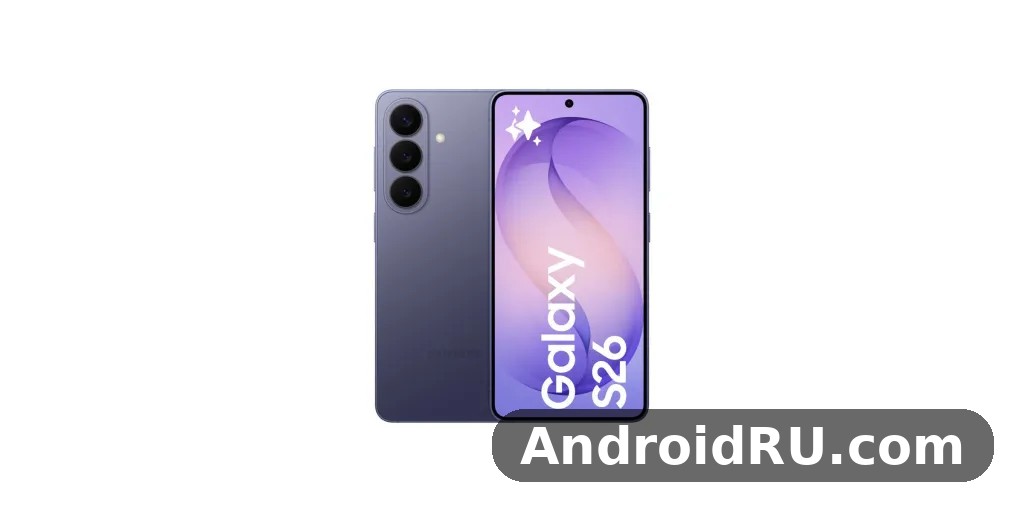
The questions that decide that purchase are practical ones: how big will it feel in the hand, how long will the battery last on a normal day, how good will the main camera be in a dim restaurant, and how many years of software support will it get. Leaks can answer some of those questions with reasonable confidence and leave others open, and this article separates the two groups clearly. Readers who want the numbers in one place will find them in the full specifications section further down, which lists the expected display, chipset, camera and connectivity details side by side with their status. This review focuses on what those numbers would mean in daily use: design and handling, the display, the software experience, camera quality, performance and battery life, followed by a clear list of features, strengths, weaknesses and the kind of buyer this phone is likely to suit best.
Before going further, it helps to know how to read the rumours in this preview. Where several independent reports agree, a detail is described as expected. Where only one report exists, it is called rumoured. Where reports disagree, both sides are noted and the detail is marked as not yet confirmed. That approach keeps the preview useful without pretending to know things nobody outside Samsung can know yet, and it is the standard this article applies to every Galaxy S26 expected release date claim, every Galaxy S26 price rumour and every specification quoted below.
Samsung Galaxy S26 design preview: what leaks suggest about the new base model
Leaked renders and case-maker drawings point to a familiar shape with small refinements rather than a redesign. The Galaxy S26 is expected to keep a flat display, a flat aluminium frame and a glass back, with slightly slimmer bezels and a marginally smaller camera island than the Galaxy S25. Reports disagree on the exact dimensions by a millimetre or two, which is normal at this stage, but the consistent message is that Samsung is not planning a radical change to the base model. The phone is expected to stay compact by 2026 flagship standards, with a screen in the region of 6.2 to 6.3 inches, so it should remain one of the few premium Android phones that can be used comfortably with one hand. Comfortable one-handed handling and a light aluminium frame are the design qualities that would matter most if the leaked dimensions prove accurate.
Weight is one of the more interesting rumours. Several reports suggest Samsung is working to keep the base model close to the Galaxy S25 at around 160 to 170 grams, despite a possible small increase in battery capacity. If that holds, the phone would feel noticeably lighter than most rivals with similar screens, and that lightness changes how a phone is used over a long day. A lighter phone is easier to hold during a long video call, less tiring on a commute, and less likely to slip out of a jacket pocket. Galaxy S26 dimensions and weight therefore deserve as much attention as the screen size, because they decide how the phone feels every time it is picked up rather than how it looks in a photograph.
Durability expectations are easier to state with confidence because Samsung has been consistent here. The Galaxy S26 is expected to carry an IP68 rating for dust and water resistance, Gorilla Glass on the front and back, and an aluminium frame. Those are not yet confirmed for this model, and buyers should check the official specifications when the phone is announced, but no credible report suggests Samsung will step back from IP68 on a flagship. A good case and a screen protector will still be sensible purchases, since water resistance does not cover cracked glass, and the Galaxy S26 IP68 water resistance rating should be read as protection against accidents, not as an invitation to use the phone in a pool or in salt water.
Expected size, weight and materials for the Galaxy S26
Current reports put the Galaxy S26 display at around 6.2 or 6.3 inches, with a body roughly 146 to 148 millimetres tall and about 70 to 71 millimetres wide. Thickness is rumoured to sit near 7 millimetres, which would make it one of the slimmer phones in its class. The frame is expected to be aluminium, sometimes described in leaks as an upgraded armour aluminium, and the back is expected to be glass with a matte finish that resists fingerprints better than glossy glass. None of these figures is official yet, and the final numbers may shift by a small amount when Samsung publishes the real specifications. For buyers coming from an older Galaxy S phone, the practical question is whether the S26 will feel different enough to notice, and based on the leaks the answer is probably a small but real improvement in grip and balance rather than a dramatic change.
Slimmer bezels would make the screen feel larger without making the phone wider, and a slightly thinner body would help the phone slide into a pocket more easily. People who liked the size of the Galaxy S25 should feel at home, while people who found the S25 a fraction too small may want to look at the larger Plus model instead, and the Samsung Galaxy S26+ Review: Build Quality, Software and Daily Speed covers that bigger option in the same detail, including its build quality and daily speed. The base model keeps the compact brief on purpose: it is the Galaxy S phone for buyers who want flagship hardware in the smallest practical body.
Colours and finish rumoured for the Galaxy S26
Colour leaks for unreleased phones are among the least reliable reports, because Samsung usually offers several colours at launch and a few more through its own online shop. Early reports mention a mix of muted tones, with black, white or silver, blue and a pale green or mint shade appearing most often. The exact names will only be known at launch, and the range may vary by region and by retailer. What seems likely is that Samsung will keep at least one dark, understated option for buyers who want a phone that looks plain in a meeting, and at least one lighter colour that shows off the matte glass. Galaxy S26 colours rumoured so far should therefore be treated as a rough guide to the palette, not as a final list.
The finish matters more than the colour name. A matte back scatters light, hides fingerprints, and gives the phone a softer feel in the hand. The Galaxy S25 already used that approach, and leaks suggest the S26 will continue it. If you plan to use a case most of the time, the colour becomes a secondary concern, and the more useful question is whether the frame has a coating that resists scratches around the charging port and buttons, which is where wear usually shows first. A matte glass back also helps the phone stay put on a table and in the hand, which is a small daily benefit that never appears on a specification sheet.
How the Galaxy S26 design may compare with the Galaxy S25
Side by side with the Galaxy S25, the Galaxy S26 is expected to look like a close relative: same flat screen, same centred hole-punch camera, same three-lens arrangement on the back, but with tighter bezels and a cleaner camera area. The difference a buyer would notice most is likely to be the feel rather than the look. A slightly thinner body and a lighter frame would make the phone easier to carry, and a brighter display would make it easier to read outdoors. None of that requires a new shape, and Samsung has little reason to change a design that already sells well. Galaxy S26 vs Galaxy S25 comparisons will probably come down to those small refinements, a brighter screen, a larger battery and a faster chip, rather than to any single dramatic change.
Samsung Galaxy S26 display: expected size, refresh rate and brightness
The display is where the base Galaxy S26 is expected to make one of its clearest gains. Reports point to a screen of around 6.2 to 6.3 inches with a resolution in the region of 1080 by 2340 pixels or slightly higher, using a Dynamic AMOLED 2X panel. That is the same display technology Samsung has used for years, and it remains one of the best in the business for colour accuracy, contrast and viewing angles. The panel is expected to support an adaptive refresh rate from 1Hz up to 120Hz, which lets the phone show smooth scrolling when you are swiping and save power when you are reading a still page. Galaxy S26 display brightness outdoors is the figure to watch, because it decides whether a map or a message stays readable in direct sunlight.
Brightness is the figure to watch. The Galaxy S25 already reached high peak brightness outdoors, and leaks suggest the S26 may push that a little further, possibly toward 2,600 nits of peak brightness in bright sunlight. That number is not yet confirmed, and peak brightness figures from different makers are measured in different ways, so the honest test will be reading a map or a message on a sunny street. If the rumoured improvement is real, the S26 would be easier to use outdoors than its predecessor, which is a practical gain for anyone who uses their phone for navigation or photography outside. An anti-reflective coating on the glass is expected to return, which helps as much as raw brightness on a sunny day.
For video and reading, the expected combination of an AMOLED panel, 120Hz refresh and a compact screen is a strong one. Text should look sharp, video should look rich without oversaturated colours when the natural colour mode is selected, and scrolling should feel fluid. Buyers who watch a lot of video on their phone may still prefer a larger screen, and the Ultra model with its bigger display is the obvious alternative, as discussed in the Samsung Galaxy S26 Ultra Review: Cameras, Performance and Battery Life, which covers the largest screen in the family and the camera and battery hardware that goes with it. The base model trades screen size for pocketability, and for many buyers that is the right trade.
Expected Galaxy S26 screen size and resolution rumours
The most consistent display rumour is a 6.2-inch or 6.3-inch panel, which is essentially the same size as the Galaxy S25 with a possible small increase from slimmer bezels. Resolution is expected to stay at Full HD Plus rather than jumping to Quad HD, which is a reasonable trade-off on a screen this size: at 6.2 inches, the difference between Full HD Plus and Quad HD is hard to see, while the lower resolution helps battery life. Samsung is likely to keep the higher resolution for the Ultra model, where the larger screen makes it more visible. Pixel density should sit near 420 pixels per inch, which is sharp enough that individual pixels are invisible at normal viewing distance, and the display is also expected to support HDR10 Plus for video, which improves contrast in supported films and shows.
None of this is confirmed until Samsung publishes the specifications, but the display rumours are among the most consistent in the current leak cycle, and they line up with the direction Samsung has taken for the last three generations of base Galaxy S phones. An always-on display is expected to return, showing the time, notifications and music controls without waking the full screen. For buyers who read or watch video for hours, the compact size is a trade-off: the screen is sharp and bright, but a larger phone shows more of a page or a film at once, so the choice comes down to how much reading and video the buyer does on the phone itself.
Adaptive refresh rate and outdoor visibility on the Galaxy S26
An adaptive refresh rate that drops to 1Hz for still images and rises to 120Hz for motion is expected to return, and it is one of those features that is easy to overlook and hard to give up once you have used it. It makes scrolling feel smooth, keeps animations fluid, and avoids wasting battery on a static screen. The Galaxy S26 120Hz refresh rate should therefore be read as both a smoothness feature and a battery feature, since the phone can spend most of a reading session at a low refresh rate. Outdoor visibility depends on both peak brightness and the anti-reflective coating on the glass, and leaks suggest Samsung will keep the improved coating introduced on recent models. If you spend a lot of time outdoors, that combination matters more than any single brightness number.
Galaxy S26 software: One UI and Android version expected at launch
The Galaxy S26 is expected to launch with One UI running on top of the newest Android version available at the time, which reports suggest will be Android 16 with One UI 8 or a later One UI version. Samsung has not confirmed this yet, and the exact version number may change before launch, but the pattern is clear: a new Galaxy S phone ships with the newest software Samsung has ready, and older models receive the same update later. Buyers should expect a clean, polished interface with Samsung’s own apps alongside Google services, and a settings menu that rewards a few minutes of customisation. Galaxy S26 One UI 8 features are expected to focus on refinements to multitasking, the quick settings panel and the camera app rather than a wholesale redesign.
Software support is one of Samsung’s strongest selling points. The Galaxy S25 launched with a promise of seven years of operating system and security updates, and the Galaxy S26 is expected to match that, although the exact length has not yet been confirmed. Seven years of updates would mean a phone bought in 2026 could still receive security patches into the early 2030s, which changes the value calculation for anyone who keeps a phone for three or four years. Check the official announcement for the confirmed update promise before buying, because this is a detail that matters more over time than any single launch feature, and the Galaxy S26 seven years of updates question is one of the first things long-term buyers should verify.
Daily software life on a Galaxy S phone is shaped by small things: how notifications are grouped, how the lock screen shows music controls, how easy it is to split the screen between two apps, and how well the phone handles a second SIM or an eSIM while travelling. One UI has become good at these practical details, and the S26 is expected to continue that, with refinements rather than a wholesale redesign. The software should feel familiar to anyone coming from a recent Galaxy phone, which is a strength for upgraders and a mild disappointment for anyone hoping for a dramatic new look. Samsung Knox security, a secure folder for private files and apps, and regular security patches are expected to return as part of the package.
Galaxy AI features expected on the Galaxy S26
Galaxy AI is expected to be a central part of the Galaxy S26 software story. Reports suggest the phone will ship with an improved set of AI tools for writing, translation, photo editing and search, building on the features Samsung introduced with the Galaxy S24 and S25. Expected highlights include live translation during calls, summaries of long notes or web pages, photo tools that can remove unwanted objects, and a smarter search that can find a photo or a setting from a plain-language description. Some of these tools may run on the device and some may need an internet connection, and Samsung has not yet confirmed which features will be free long-term. Galaxy S26 Galaxy AI features should therefore be treated as a bonus on top of a good phone rather than the main reason to buy.
The honest question about Galaxy AI is not whether the features exist but whether they are useful every week rather than impressive once. Live translation and photo cleanup are the two features most likely to earn regular use, while writing summaries and generative photo edits appeal to a smaller group. Buyers should check at launch which features need a Samsung account, which need a network connection, and whether any of them carry a future subscription cost. On-device AI processing, handled by the neural processor inside the chipset, is expected to cover some tasks without sending data away from the phone, which is a privacy benefit worth asking about when the phone is announced.
Modes, routines and everyday One UI tools
Beyond the headline AI features, the everyday software tools are the ones that shape a normal week: modes and routines that silence notifications at night or turn on driving mode in the car, a customisable lock screen, edge panels for quick access to favourite apps, and Samsung DeX support for a desktop-like experience on an external display. These tools are expected to return unchanged or with small refinements, and they are the reason many Galaxy owners stay with Samsung even when a rival phone offers a faster chip. The Galaxy S26 software experience will be judged less on a single new feature than on how smoothly these familiar tools work together from the first day.
Samsung Galaxy S26 camera quality: expected main, ultrawide and telephoto setup
Camera quality is the section where honest preview writing matters most, because camera leaks are easy to overstate. The most consistent reports suggest the Galaxy S26 will keep a triple rear camera: a 50 megapixel main camera, a 12 megapixel ultrawide camera and a 10 megapixel telephoto camera with 3x optical zoom. That is the same headline hardware as the Galaxy S25, and if the reports are right, the improvement in the S26 will come from a newer sensor, better image processing and a faster chipset rather than from a bigger megapixel count. A new sensor with better light gathering would help more in real photos than a higher megapixel number on the same small sensor. Galaxy S26 camera quality in low light is therefore the test to watch, not the megapixel count on the box.
The main camera is expected to remain the workhorse. In daylight it should produce sharp, well-exposed photos with the vivid colour Samsung is known for, and in low light it should benefit from night mode and multi-frame processing. The ultrawide camera is expected to stay at 12 megapixels, which is adequate for landscapes and group shots but will show less detail than the main camera when you crop in. The 3x telephoto lens is expected to return, and it is genuinely useful for portraits and for subjects you cannot walk closer to, such as a performer on a stage or a detail on a building. A phone with all three lenses is more versatile than a phone with only two, and the Galaxy S26 3x telephoto zoom is a genuine advantage over rivals that offer only digital zoom at this price.
Video is an area where Samsung has been strong, and the S26 is expected to record 8K video from the main camera and 4K video at 60 frames per second from several lenses, with improved stabilisation. That said, 8K recording is a niche feature for most buyers: it uses a lot of storage space and most people watch video in 4K or lower. The more useful video improvement would be steadier footage while walking and better focus tracking, both of which depend on software as much as hardware. Galaxy S26 8K video recording and Galaxy S26 4K video at 60 frames per second should both be judged from real footage after launch rather than from the specification sheet alone.
Main camera rumours and low-light expectations for the Galaxy S26
Several leaks mention a possible new or revised 50 megapixel main sensor for the Galaxy S26, though the exact sensor model is not yet confirmed and different reports name different parts. What matters for photo quality is not the sensor name but the size of the sensor and the size of its pixels, because larger pixels gather more light. A modest increase in sensor size would improve low-light photos, reduce noise in evening shots, and give portraits a more natural background blur. If Samsung keeps the same sensor as the S25, low-light quality would still be good, but the year-on-year gain would be smaller and would depend mostly on software. Pixel binning is expected to remain part of the main camera design, combining several pixels into one larger effective pixel for low-light shots and using the full 50 megapixels for detailed daylight photos.
Night photography on recent Galaxy phones relies on taking several frames and combining them, which works well for still subjects and less well for moving ones. The S26 is expected to improve this with a faster chipset that can process those frames more quickly, which should reduce blur when a subject moves slightly. Buyers who take a lot of photos in restaurants, at concerts or on evening walks should watch the first real camera comparisons after launch, because those are the situations where a new sensor or new processing shows up most clearly. Galaxy S26 night mode performance in those real scenes will tell buyers more than any leaked sensor name.
Selfie camera and video recording expectations
The front camera is expected to stay at 12 megapixels with a wide field of view and support for 4K video recording. That is enough for sharp video calls and social video, and the wide angle helps when more than one person is in the frame. Selfie quality on Galaxy phones has been consistent rather than spectacular, with good skin tones in daylight and softer detail in low light. The S26 is expected to continue that pattern, with software improvements to portrait mode and to background blur in video calls. Galaxy S26 selfie camera expectations are therefore modest: solid and reliable rather than a leap forward.
For creators who record video on their phone, the combination of 4K recording, good stabilisation and Samsung’s camera app controls is a practical one. Manual controls for exposure, focus and white balance are expected to remain available in the pro video mode, and the phone is expected to support recording in HDR for richer colours. Video recording is expected to include 8K at 24 or 30 frames per second from the main camera, 4K at 30 and 60 frames per second from the main, ultrawide and front cameras, and 1080p at up to 240 frames per second for slow motion. Stabilisation is expected to combine optical image stabilisation in the lens with electronic stabilisation in software, which should keep walking footage steady.
Camera features that may carry over from the Galaxy S25
Several camera features from the Galaxy S25 are expected to carry over unchanged or with small refinements: night mode, portrait mode with adjustable blur, single-take mode, slow-motion video, and the photo editing tools that can remove reflections or unwanted objects. The camera app is expected to keep its simple layout, with the main modes a swipe away and the more advanced controls tucked into the pro mode. That continuity is good news for upgraders, who will not need to relearn the camera, and it means the S26 camera story will be judged on image quality rather than on a new interface. Galaxy S26 portrait mode and Galaxy S26 single-take mode should feel familiar from the first photo.
Galaxy S26 performance preview: chipset rumours and daily speed expectations
Performance rumours for the Galaxy S26 are unusually unsettled, because Samsung has used different chipsets in different regions for several generations. Reports suggest the phone may use the Snapdragon 8 Elite Gen 5 in some markets, possibly branded as a version tuned for Galaxy, and Samsung’s own Exynos 2600 in others. Neither option is confirmed, and the split by region has not been published, so buyers should check which chipset their market receives before buying. Galaxy S26 chipset by region is the biggest open question in this preview, and it is the detail most likely to change how the phone behaves in daily use.
Whichever chipset ships, daily speed is expected to be excellent. The Galaxy S25 already handles every normal task without hesitation, from switching between messaging and maps to editing photos and playing demanding games, and the S26 should be faster still. The difference a buyer would notice is more likely to be in sustained performance and heat than in opening an app a fraction of a second sooner. A phone that stays cool during a long gaming session or a long video recording is more useful than a phone that wins a benchmark by a few percent and then throttles. Readers who want the daily-use view of the same hardware family can also read the Samsung Galaxy S26 FE Review: Daily Performance and Key Features, which looks at how the Fan Edition is expected to handle messages, maps, work and video on its own rumoured hardware.
RAM is expected to be 12GB on the base model, with storage options likely starting at 256GB and rising to 512GB. There is no credible report of a microSD card slot returning, so buyers should choose the storage size with care: 256GB is enough for most people who back up photos to the cloud, while 512GB suits anyone who records a lot of 4K video or keeps large games installed. Storage speed matters too, and the S26 is expected to use fast UFS storage, which keeps app installs and large file transfers quick. Galaxy S26 RAM and storage options therefore look generous for a base model, and the 12GB of RAM should keep the phone feeling fast for years.
Expected chipset options by region for the Galaxy S26
The regional chipset split is the biggest open question in the Galaxy S26 performance story. In recent years Samsung has shipped Snapdragon chipsets in the United States, China and some other markets, and Exynos chipsets in Europe and several other regions. Leaks suggest a similar split may continue, with the Exynos 2600 reportedly built on a newer manufacturing process that could close the efficiency gap. That claim is not yet confirmed, and the only reliable comparison will be real-world battery and heat tests of retail units from both regions after launch. Galaxy S26 Exynos 2600 vs Snapdragon 8 Elite Gen 5 comparisons should wait for those retail tests, because benchmark scores from early samples rarely tell the whole story.
For most buyers the practical advice is simple: do not choose a phone based on the chipset name alone. Check independent tests of the exact model sold in your country, look at battery life and sustained gaming performance rather than peak benchmark scores, and remember that software updates can change performance over the first months after launch. If the two chipsets turn out to be close in daily use, the choice between them becomes a footnote rather than a deciding factor. Heat, throttling and long sessions in warm weather are the real measures: a chip that stays cool during a thirty-minute game matters more than a chip that wins a one-minute benchmark.
RAM and storage options expected for the Galaxy S26
RAM is expected to be 12GB across the range, with no 8GB base model, which is a welcome change for longevity. Storage options are expected to be 256GB and 512GB, with the 256GB model as the entry point. Because there is no microSD slot expected, the storage choice is permanent, and the 512GB model is the safer buy for anyone who keeps years of photos on the phone or records video regularly. Cloud backup can help, but it does not replace local storage when travelling without a fast connection. Galaxy S26 storage without microSD expansion is a trade-off buyers should accept with open eyes, and choosing the larger option at purchase is cheaper than regretting a full phone a year later.
Samsung Galaxy S26 battery life expectations and charging speed rumours
Battery life is the rumour that Galaxy S26 buyers are watching most closely. Reports suggest the base model may move from the 4,000mAh battery in the Galaxy S25 to a battery in the region of 4,300mAh, possibly using newer silicon-carbon battery technology that packs more capacity into the same space. That figure is not yet confirmed, and some reports give a smaller increase, so the honest range to keep in mind is roughly 4,200mAh to 4,300mAh. A larger battery combined with a more efficient chipset could add a meaningful amount of screen time, perhaps an extra hour or two of mixed use compared with the S25, but that estimate will only be proven by real battery tests after launch. Galaxy S26 battery life expectations should be read as all-day for typical use, not two-day for heavy use.
Charging speed is expected to stay at 25W wired charging, which is modest by 2026 standards, with 15W wireless charging and reverse wireless charging for accessories such as earbuds. If the 25W figure is correct, a full charge from empty will take well over an hour, and the phone will not match rivals that charge in half that time. The trade-off Samsung appears to accept is slower charging in exchange for battery longevity, and for buyers who charge overnight that trade-off is painless. For anyone who tops up in short bursts during the day, it is a real weakness. The Samsung Galaxy S25 Ultra Review: Photo Quality, Video and Performance gives a useful reference point here, since it covers the previous generation’s charging behaviour and video performance in detail, and it shows what Samsung’s larger phones already do differently on power.
Daily battery life will depend on how the phone is used. A day of messaging, browsing, maps and some video should be comfortable on a battery of this size, while a day of heavy gaming, 5G video streaming and camera use will still need a top-up in the evening. The adaptive refresh rate display and the efficient chipset should help, but no base-model phone with a battery under 4,500mAh is likely to be a two-day phone for heavy users. Buyers who need two days between charges should look at a larger model with a bigger battery. Galaxy S26 25W charging speed and Galaxy S26 wireless charging are the two power figures to check at launch, alongside the confirmed battery capacity, before deciding whether the phone fits a heavy day.
What a full day on the Galaxy S26 battery could look like
A practical day might look like this: unplug in the morning, commute with music and maps, work with messages and email, lunch with some video, an afternoon of photos, and an evening of streaming, ending the day with charge to spare for typical use. That pattern depends heavily on screen brightness and signal strength, and a weak mobile signal drains any phone faster than a strong one. Battery saver mode and the 60Hz refresh option are the two quickest ways to stretch a long day, and the silicon-carbon battery technology rumoured for this generation could help by fitting more capacity into the same thin body. Until retail battery tests appear, the honest summary is that the S26 should last a full day for most people and need an evening top-up for heavy users.
Samsung Galaxy S26 full specifications
The table below gathers the expected specifications for the base Galaxy S26 in one place. Treat every entry as a rumour or an expectation until Samsung confirms it, and pay attention to the status column, which explains where the figure comes from and how confident the current reports are. The most reliable expectations are the display size, the camera layout and the general shape of the phone, because those appear in leaked renders and case drawings. The least reliable are the exact battery capacity, the chipset split by region and the price, which are still moving. Galaxy S26 full specifications at a glance are useful for a quick comparison, but they hide the details that matter, so the sections below unpack each row.
| Specification | Expected Galaxy S26 | Status |
|---|---|---|
| Display | 6.2 to 6.3 inch Dynamic AMOLED 2X, 120Hz adaptive | Expected, widely reported |
| Resolution | Full HD Plus, around 1080 by 2340 pixels | Expected |
| Main camera | 50 megapixels, optical image stabilisation | Expected |
| Ultrawide camera | 12 megapixels | Expected |
| Telephoto camera | 10 megapixels, 3x optical zoom | Expected |
| Front camera | 12 megapixels, 4K video | Expected |
| Chipset | Snapdragon 8 Elite Gen 5 or Exynos 2600, by region | Rumoured, not yet confirmed |
| RAM | 12GB | Expected |
| Storage | 256GB or 512GB, no microSD slot expected | Expected |
| Battery | Around 4,200 to 4,300mAh | Rumoured, range given |
| Charging | 25W wired, 15W wireless, reverse wireless | Expected |
| Water resistance | IP68 | Expected |
| Software | Android 16 with One UI 8 or later, long update support expected | Expected, version not yet confirmed |
| Connectivity | 5G, Wi-Fi 7, Bluetooth 5.4 or newer, NFC, USB-C | Expected |
| Dimensions | Around 146 to 148 mm tall, 70 to 71 mm wide, about 7 mm thick | Rumoured |
| Weight | Around 160 to 170 grams | Rumoured |
A 50 megapixel camera can be excellent or ordinary depending on the sensor behind it, a 4,300mAh battery can last a long day or a short one depending on the chipset, and a chipset name tells you little about heat and sustained speed. The sections below explain what each group of specifications means in daily use, so the table above becomes a buying tool rather than a list of numbers to memorise.
Galaxy S26 display and camera specifications in detail
The display is expected to be a 6.2-inch or 6.3-inch Dynamic AMOLED 2X panel with a Full HD Plus resolution of around 1080 by 2340 pixels and an adaptive refresh rate from 1Hz to 120Hz. AMOLED panels give deep blacks because each pixel can switch off, vivid but accurate colours in the natural colour mode, and wide viewing angles that keep the screen readable when the phone is tilted. Pixel density should be around 420 pixels per inch, which is sharp enough that text looks smooth at normal reading distance. The display is expected to support HDR10 Plus for video and an always-on display for the time, notifications and music controls. Dynamic AMOLED 2X display technology remains one of Samsung’s strongest assets, and the S26 is expected to keep that advantage over most rivals at the same price.
The rear camera system is expected to use three lenses: a 50 megapixel main camera with optical image stabilisation and an aperture in the region of f/1.8, a 12 megapixel ultrawide camera with a field of view around 120 degrees and an aperture near f/2.2, and a 10 megapixel telephoto camera with 3x optical zoom, an aperture near f/2.4 and optical image stabilisation. The front camera is expected to be a 12 megapixel unit with a wide field of view and 4K video recording. Sensor size matters more than the megapixel count, so buyers should judge the main camera from real photo comparisons after launch, especially in low light, rather than from the megapixel number alone.
Galaxy S26 chipset, RAM and storage specifications in detail
The chipset is the least certain major specification in this guide. Reports suggest the Galaxy S26 may use the Snapdragon 8 Elite Gen 5 in some markets, possibly in a version tuned for Galaxy phones, and Samsung’s own Exynos 2600 in others. Neither option is confirmed, and the split by region has not been published. Flagship chipset performance with 12GB of RAM and fast UFS storage is the combination that should keep the Galaxy S26 fast for years, whichever chipset ships. RAM is expected to be 12GB on the base model, which is enough to keep many apps in memory, switch between them without reloading, and run demanding games and photo editing smoothly. Storage is expected to start at 256GB, with a 512GB option, and to use fast UFS storage that keeps app installs and large file transfers quick.
Galaxy S26 network bands and connectivity specifications
Network and connectivity specifications decide whether a phone works well where you actually live and travel, and they are easy to overlook until a phone fails to connect. The Galaxy S26 is expected to support 5G on both sub-6GHz and millimetre-wave bands, depending on the market, along with 4G LTE, 3G and 2G for areas where 5G has not yet arrived. The exact list of 5G bands has not yet been published, and it will vary by region and by model variant, so buyers who travel often or who buy a phone from another country should check the band list for their exact model before buying. Galaxy S26 5G bands support is expected to be wide, including the common sub-6GHz bands used in Europe, Asia and North America, and millimetre-wave bands in markets where carriers have deployed them.
Wi-Fi is expected to be Wi-Fi 7, which offers faster speeds and lower latency on a compatible router, along with support for older Wi-Fi standards for compatibility. Bluetooth is expected to be version 5.4 or newer, which improves audio quality and connection stability with wireless earbuds and watches. NFC is expected for contactless payments and for pairing accessories, and USB-C is expected for charging and data, with support for video output to an external display through Samsung DeX. Dual SIM support is expected, with a physical SIM and eSIM in most markets, although the exact combination may vary by region. Galaxy S26 Wi-Fi 7 support and Galaxy S26 eSIM support are both expected to match the flagship standard Samsung has set on recent models.
Galaxy S26 battery, charging and design specifications
The battery is expected to be in the region of 4,200mAh to 4,300mAh, up from 4,000mAh in the Galaxy S25, possibly using newer silicon-carbon battery technology. Wired charging is expected to stay at 25W, with a full charge from empty taking well over an hour, while wireless charging is expected at 15W, with reverse wireless charging for accessories such as earbuds and watches. The slower wired charging is a deliberate trade-off that Samsung appears to accept in exchange for battery longevity, and it is painless for buyers who charge overnight. Galaxy S26 battery specifications and Galaxy S26 charging details should be checked against the official sheet at launch, since the battery is the rumour most likely to shift by a small amount.
The Galaxy S26 is expected to measure roughly 146 to 148 millimetres tall, 70 to 71 millimetres wide and about 7 millimetres thick, with a weight in the region of 160 to 170 grams. The frame is expected to be aluminium, sometimes described in leaks as an upgraded armour aluminium, and the front and back are expected to be glass with a matte finish on the back that resists fingerprints. Durability specifications are expected to include an IP68 rating, and the fingerprint sensor is expected to be ultrasonic and placed under the display, with face unlock available as a secondary option. Galaxy S26 fingerprint sensor placement under the display matches the approach Samsung has used on recent flagships, and it should work reliably with most screen protectors.
Galaxy S26 software specifications and update expectations
The Galaxy S26 is expected to launch with Android 16 and One UI 8 or a later One UI version, although the exact version number has not yet been confirmed. Samsung has not published the update promise for this model yet, but the Galaxy S25 launched with seven years of operating system and security updates, and the S26 is expected to match that. Galaxy AI features are expected to be included, covering live translation during calls, summaries of notes and web pages, photo editing tools and smarter search. Some of these tools may run on the device and some may need an internet connection, and Samsung has not yet confirmed which features will be free long-term. Security features are expected to include Samsung Knox, a secure folder for private files and apps, and regular security patches.
Features, pros, cons and who the Galaxy S26 is for
Pulling the leaks together, the Galaxy S26 looks like a careful evolution rather than a revolution: a compact flagship with a brighter display, a familiar camera system with better processing, a faster chipset, a slightly larger battery and long software support. That is a sensible formula, and it is also a formula that will disappoint anyone hoping for a dramatic new camera or a much faster charge. The sections below set out the expected features, the strengths, the weaknesses and the buyer this phone is most likely to suit, so the decision can be made with open eyes.
Features expected on the base Galaxy S26
-
Expected Galaxy S26 features include a 120Hz AMOLED display, a triple rear camera and Galaxy AI tools for translation, photo editing and search, which together cover the features most buyers use every day.
-
An IP68 rating for dust and water resistance is expected, along with wireless charging, reverse wireless charging and an ultrasonic fingerprint sensor under the display.
-
Connectivity is expected to include 5G, Wi-Fi 7, Bluetooth 5.4 or newer, NFC for payments, and USB-C for charging and data, with eSIM support alongside a physical SIM in most markets.
-
Long software support is expected, with several years of operating system updates and security patches, although the exact number of years has not yet been confirmed for this model.
-
Stereo speakers, Samsung DeX support for a desktop-like experience on an external display, and the usual Samsung health and security features are expected to return.
Pros of the Galaxy S26 based on leaks
-
Compact and light design that should be easy to carry and use one-handed, which is rare among 2026 flagship phones.
-
Bright AMOLED display with a smooth 120Hz adaptive refresh rate, expected to be excellent for reading, video and outdoor use.
-
Versatile triple camera with a 3x telephoto lens, a feature that many rivals at this price still omit.
-
Long software support expected, which protects the value of the phone for buyers who keep it for several years.
-
Strong everyday performance expected from a flagship chipset with 12GB of RAM, which should keep the phone fast for years.
Cons and unknowns buyers should watch
-
Charging speed is expected to stay at 25W wired, which is slow next to rivals that charge at 45W, 65W or faster.
-
Battery capacity, even if it grows to around 4,300mAh, is still modest for a flagship, and heavy users may need an evening top-up.
-
Camera hardware is rumoured to be largely unchanged from the Galaxy S25, so the year-on-year photo gain may be small.
-
Key details are not yet confirmed, including the chipset by region, the exact battery size, the price and the update promise, so early buyers are buying on trust.
-
Storage is expected to start at 256GB with no microSD slot, which may feel tight for buyers who record a lot of video.
Who the Galaxy S26 is for
The Galaxy S26 is most likely to suit a buyer who wants a compact flagship Samsung, uses the camera every day, values long software support, and does not want to carry a large Ultra-sized phone. It should also suit anyone upgrading from a Galaxy S22 or S23 who wants a faster, brighter and longer-supported phone without changing size. It is less likely to suit a buyer who needs the fastest possible charging, the longest possible battery life, the best zoom camera, or the largest screen, and those buyers will find better options in the Plus or Ultra models. Compact flagship with long software support is the simplest summary of who this phone is for, and it is the reason the base model keeps selling year after year.
Buyers coming from the previous generation should also weigh the discounted older model. The Samsung Galaxy S25+ Review: Design, Battery Life and Usability shows what the larger previous-generation phone offers on design, battery life and day-to-day usability, and a discounted S25 or S25+ may be the smarter buy for anyone whose current phone is failing now and cannot wait for the S26 launch. Waiting makes sense when the current phone still works; buying the discounted older model makes sense when it does not.
Samsung Galaxy S26 FAQ: release date, price and camera questions
The questions below are the ones readers ask most often about an unreleased phone. The answers are honest about what is known, what is rumoured and what is still unknown, because a preview that pretends to know everything would mislead the reader. Galaxy S26 worth waiting for is the question underneath all of them, and the answer depends on how urgent the upgrade is rather than on the rumour cycle alone.
When is the Samsung Galaxy S26 expected to be released?
Reports point to an announcement in early 2026, most likely in January or February, with sales starting a couple of weeks later. Samsung has announced its Galaxy S phones in that window for several years, and the current leak cycle fits the same timetable. The date is not yet confirmed, and Samsung could shift it by a few weeks, so the reliable step is to watch for an official invitation to a Galaxy Unpacked event rather than trusting a single leaked date. Galaxy S26 expected release date claims should always be checked against that official invitation.
How much will the Galaxy S26 cost?
The price is not yet confirmed, and leaks have given a range rather than a single figure. The Galaxy S25 launched at 799 dollars in the United States, and reports suggest the S26 may launch at a similar price or slightly higher, possibly around 799 to 899 dollars, depending on the market and on storage. Prices in other countries will vary with tax and currency. The sensible approach is to wait for the official price in your country and to compare it with the price of the Galaxy S25, which usually falls after the new model arrives. Galaxy S26 price rumours are the least reliable figures in the leak cycle, so no buying decision should rest on them.
Will the Galaxy S26 have a better camera than the Galaxy S25?
Based on current reports, the camera hardware is expected to be similar to the Galaxy S25, with the same 50 megapixel main camera, 12 megapixel ultrawide and 10 megapixel telephoto lens, so any improvement is likely to come from a new sensor or better processing rather than from new lenses. That could still mean visibly better low-light photos and steadier video, but buyers hoping for a large jump in zoom or a new main camera may be disappointed. Real camera comparisons after launch will give the true answer. Camera improvement from processing, not new lenses is the fairest summary of what the leaks suggest.
Is the Galaxy S26 worth waiting for?
For a buyer whose current phone still works well, waiting for the Galaxy S26 is a reasonable choice: it should bring a brighter display, a larger battery, a faster chipset and longer software support than the S25, and it will push the S25 price down. For a buyer whose phone is broken or whose battery no longer lasts a day, waiting may not be worth it, and a discounted Galaxy S25 or another current flagship could be the better buy. The deciding factor is how urgent the upgrade is, not the rumour cycle. Galaxy S26 for one-handed use, Galaxy S26 daily speed and Galaxy S26 camera quality are the three strengths most likely to reward the wait.
Does the Galaxy S26 have a microSD card slot?
Based on current reports, the Galaxy S26 is not expected to have a microSD card slot, continuing the pattern of recent Galaxy S phones. Storage is expected to be 256GB or 512GB, with no way to expand it after purchase. Buyers who record a lot of 4K video or keep large games installed should choose the 512GB model, and everyone should make sure their photos are backed up, because a phone without expandable storage leaves less room for error.
What are the S26 specs so far?
The S26 specs are still rumours, but the consistent leaks point to a 6.2-inch display, 12GB of RAM and 256GB or 512GB of storage. The S26 display is expected to be a 6.2-inch Dynamic AMOLED 2X panel with a 120Hz refresh rate, and the S26 RAM is expected to be 12GB. The S26 screen size is expected to be 6.2-inch, the S26 weight has not leaked yet, and the S26 colors have not been confirmed either. The S26 performance should come from the Snapdragon 8 Elite Gen 5 or Exynos 2600 chip, and the S26 WiFi 7 support is expected. The S26 Galaxy AI tools cover photo edits, live translation and writing help. The S26 eSIM is expected to work alongside a physical nano-SIM, the S26 IP68 rating is expected to carry over from earlier flagships, and the S26 fingerprint sensor is expected to stay ultrasonic under the display. The S26 software update policy is expected to follow Samsung’s seven-year promise.
What is the S26 expected performance?
The S26 expected performance comes from the Snapdragon 8 Elite Gen 5 or Exynos 2600 chip, which should be faster than the Snapdragon 8 Elite for Galaxy in the S25 while using less power. Real speed will only be clear once the phone is tested, so treat benchmark leaks with care.
When will Samsung Galaxy S26 be released?
The Samsung Galaxy S26 is expected to be released in expected in early 2026, but Samsung has not confirmed it. The S26 release date is still a rumour, and the S26 pre-order date is not known yet either, so the launch event is the moment to watch.
What is the Samsung Galaxy S26 expected price?
The S26 price is still unconfirmed, but the leaks point to pricing close to the S25 launch price of $799. The S26 price in USA has not been announced, and any price you see before launch is a guess, not a fact.
Is Samsung Galaxy S26 worth buying, or is S26 worth waiting for?
You cannot buy the S26 yet, so the question is really whether to wait. If your current phone still works, waiting for the launch makes sense; if you need a phone now, the S25 is available today at a lower price.
What do the latest S26 leaks say?
The S26 leaks agree on the shape of the phone: the same big display, the same titanium frame idea, and a camera system led by the expected 50MP main sensor. The S26 rumours also point to around 4,000mAh of battery and 25W wired charging, but every detail is unconfirmed until Samsung announces it.
What are the S26 leaked camera specs?
The Samsung Galaxy S26 camera is the part of the phone the leaks talk about most. The S26 leaked camera specs point to a 50MP main sensor with better supporting lenses, and the S26 best camera settings will only be clear once the phone is tested. Until then, the safest reading is that daylight and low-light shots should improve a little, not change completely.
What is the S26 expected battery life?
The S26 expected battery life is a full day, if the leaks are right. The S26 expected battery capacity is around 4,000mAh, and the S26 screen on time cannot be measured yet, so any hours you see quoted before launch are guesses.
How long does S26 battery last?
Nobody can test it yet, but if the leaks are right, the S26 battery should last a full day of normal use, helped by the efficient chip. Wait for real reviews before you trust any battery claim.
Does S26 have wireless charging?
The leaks say yes. The S26 wireless charging watts figure in the leaks is 25W, and the S26 expected charging speed is 25W wired, which would match the S25. The S26 charging speed is still a rumour, so the final numbers may differ.
How does the S26 vs S25 comparison look?
The S26 vs S25 comparison is based on leaks, not tests. The S26 is expected to bring a newer chip, small camera changes and a similar battery, while the S25 is available now and already cheaper. Buy the S25 if you need a phone today; wait for the S26 if you want the newest model and can wait for the launch.
What S26 rumoured features matter most?
The S26 rumoured features that matter most are the newer chip, the improved cameras and the longer software support, with Galaxy AI tools growing in One UI 8.5. The rest is small refinements, so the launch will matter more than any single leak.
Is S26 waterproof?
Samsung’s recent flagships have all carried IP68, so the S26 is expected to be waterproof in the same way, but the rating is not confirmed yet. The S26 IP68 rating has not been confirmed, but it is the rating everyone expects. Treat it as splash and rain protection, not a phone for swimming, until Samsung publishes the rating.
How to take screenshot on S26?
Once it launches, screenshots on the S26 will work like every Galaxy phone: press the Side key and Volume Down together, or swipe the edge of your palm across the screen. After the capture, tap Scroll capture to save a long page as one image.
How to restart S26?
Once it launches, restarting the S26 will work like other Galaxy phones: hold the Side key and Volume Down together until the power menu appears, then tap Restart. If the phone ever freezes, hold both keys for about seven seconds to force a restart.
Will S26 get seven years of updates?
It is likely, but not confirmed. Samsung gives seven years of updates to its recent flagships, so the S26 software update policy is expected to follow the same promise, with new Android versions and security patches for years after launch.
How to transfer data to S26?
Once it launches, Smart Switch will move your photos, messages, apps and settings to the S26 from your old phone, by cable or Wi-Fi. The S26 dual SIM eSIM setup is expected to pair one nano-SIM with one eSIM, and the S26 storage is expected to come in 256GB or 512GB.
How to turn off 5G on S26?
Once it launches, turning 5G off on the S26 will work like other Galaxy phones: Settings, Connections, Mobile networks, then Network mode, and pick a mode without 5G. It can help the battery in weak-signal areas.
How to free up storage on S26?
The S26 storage is expected to be fixed, with no microSD slot, so plan the size when you buy. The S26 expected storage options are 256GB or 512GB, and if you run low later, back photos up to the cloud and clear the Gallery recycle bin to win space back.
Should I wait for S26 or buy S25?
If your current phone still works, wait: the S26 launch will also push the S25 price down, so you win either way. If your phone is broken or too slow today, buy the S25 now instead of waiting months for a launch date that is still unconfirmed.
What is the S26 expected screen size?
The S26 expected screen size is 6.2-inch, the same class as the S25. The S26 display is expected to be a Dynamic AMOLED 2X panel with a 120Hz refresh rate, and the S26 always on display settings will sit under Lock screen and AOD, like other Galaxy phones.
What S26 expected design changes are in the leaks?
The S26 expected design changes in the leaks are small: thinner bezels, a slightly slimmer body and the same titanium frame idea. The S26 cases and S26 screen protector makers will need the final dimensions, so buy accessories only after the launch confirms the size. The wider S26 accessories range will follow the launch.
As a preview, the Galaxy S26 shapes up as a safe and sensible upgrade rather than a bold reinvention. The compact design, the bright display, the versatile camera and the long software support are the reasons to wait for it, while slow charging, a modest battery and familiar camera hardware are the reasons to keep expectations in check. Check the official specifications when Samsung announces the phone, compare the price in your country, and judge the camera from real photos rather than from a specification sheet. That is the practical next step, and it is the one that will tell you whether this is the right phone for you.

