

Samsung Galaxy S26+ Review: Build Quality, Software and Daily Speed
Samsung’s Plus phone has always lived in the middle of the Galaxy S range: bigger than the base model, cheaper than the Ultra, and aimed at people who want a large screen without the extra weight and camera bulk of the top model. The Galaxy S26+ looks set to follow that same recipe, based on the leaks and reports circulating so far. Nothing here is official yet, and Samsung has not announced the phone, so treat every detail in this preview as an early expectation rather than a confirmed fact. What the leaks do suggest is a careful evolution, not a radical redesign: a familiar shape, a faster chip, and software that leans harder on on-device intelligence.
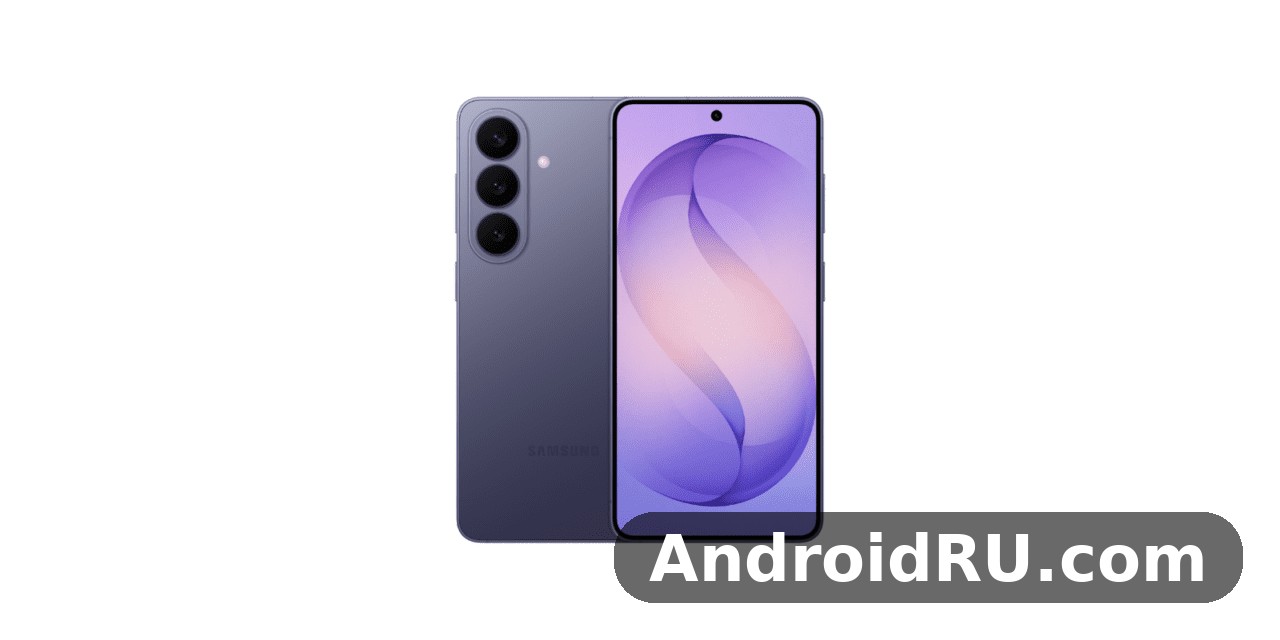
This preview pulls together the most consistent reports about the Galaxy S26+ and weighs them against what Samsung did with the Galaxy S25+. You will find a close look at build quality and materials, the display, day-to-day speed, cameras, battery life, and the One UI software experience, plus an honest list of pros and cons and a clear view of who this phone is for. The full numbers behind this preview are gathered in the specifications section below, which collects the expected display, chipset, camera, battery and connectivity figures in one place.
If you are deciding whether to wait for the Galaxy S26+ or buy a current Galaxy phone now, the short version is this: the leaks point to a refined flagship with a large bright display, a top-tier chip, and long software support, while the camera hardware and charging speeds look likely to stay close to the previous generation. Readers who want the biggest camera jump should look at the Ultra line instead, and readers who want the smallest phone should look at the base model. Everyone else will probably find the Plus the easiest fit.
Samsung Galaxy S26+ build quality and materials: what the leaks suggest
The Galaxy S26+ is expected to keep the flat-sided aluminium frame and glass front and back that defined the last two Plus generations. Leaked renders show the same clean slab look: thin, even bezels, a centred hole-punch camera, and a triple-lens camera island that sits almost flush with the rear glass. Samsung has spent several years refining this design language, and the reports so far suggest the company is polishing it again rather than starting over. That is good news for anyone who liked the feel of the S25+: a phone that sits flat on a desk, slides into a pocket without catching, and looks understated next to flashier rivals.
Materials are where the rumours get more interesting. The Galaxy S25+ used an aluminium frame with Gorilla Armor 2 on the front, and the S26+ is widely expected to keep a similar combination, possibly with a newer generation of scratch-resistant glass. Some reports mention a slightly thinner profile and a small weight reduction, in the region of a few grams, achieved by trimming the frame and the internal layout rather than by shrinking the battery. None of that is confirmed, and a few grams would be hard to notice in daily use, yet it fits the pattern of Samsung shaving millimetres off each generation while keeping the same screen size.
Feel in the hand matters more than spec-sheet thickness, and this is the area where a preview has to stay honest: nobody outside Samsung has held the finished phone yet. What can be said with confidence is that a 6.7-inch phone with a flat frame and a weight in the region of 190 grams is comfortable for most hands, and the Plus model has historically been the sweet spot between the compact base Galaxy and the heavier Ultra. If the leaks about a slimmer frame prove right, the S26+ should feel a touch easier to grip one-handed than its predecessor, though it will still be a two-handed phone for typing and for reaching the top of the screen.
How the Galaxy S26+ frame and glass may differ from the Galaxy S25+
The most consistent build rumour is a refined frame with slightly more rounded corners and a matte finish that resists fingerprints better than the polished rails of older models. Leaked dummy units and case-maker renders show the same button layout, with the volume rocker and power key on the right edge, and the same USB-C port, speaker grille, and SIM tray placement along the bottom edge. Case makers usually get the broad dimensions right months before launch, because their products have to fit, and their early S26+ cases suggest a phone that is a fraction of a millimetre thinner and a fraction of a millimetre narrower than the S25+. Those are small changes, but they add up to a phone that should fit existing habits: the same pocket, the same car mount, the same one-handed reach.
Glass is harder to predict from leaks, because the exact branding of the cover glass rarely appears in early reports. The sensible expectation is a flagship-grade protective glass on the front with an anti-reflective coating similar to the one Samsung introduced on the Ultra line, and a toughened glass back. An anti-reflective front would be a genuine daily benefit: less glare in bright sunlight, less squinting at the screen on a train, and better readability without cranking the brightness to maximum. Until Samsung confirms the glass type, though, this stays in the expected column, and buyers who are rough on phones should still plan on a case and a screen protector.
Is the Galaxy S26+ expected to keep an IP68 rating?
Yes, in all likelihood. Every Galaxy S flagship for years has carried IP68 dust and water resistance, and there is no report suggesting Samsung would drop it from the S26+. An IP68 rating means the phone is built to survive immersion in fresh water up to 1.5 metres for up to 30 minutes under lab conditions, plus protection against dust ingress. In real life that translates to surviving a drop in a sink, a rain-soaked walk, or a splash by the pool, though it does not cover salt water, soapy water, or high-pressure jets, and water damage is not covered by the standard warranty. The rating is one of the quiet reasons the Plus line works as a daily phone: it removes a whole category of worry.
Colour options expected for the Galaxy S26+
Colour options are another detail that leaks usually get right late in the cycle. Early reports point to a restrained palette of black, white or silver, and a muted blue or violet, with Samsung’s online store historically offering one or two extra colours that never reach carrier shelves. Colours do not change how a phone works, yet they matter to buyers who keep a phone for three or four years, and a restrained palette fits the Plus line’s grown-up positioning. If you want a bold colour, the base Galaxy S26 is the model that usually gets the brighter finishes, as the Samsung Galaxy S26 Review: Design, Software and Camera Quality explains.
Galaxy S26+ display: size, brightness and refresh rate expectations
The display is expected to be a 6.7-inch QHD+ display, a Dynamic AMOLED 2X panel with a QHD+ resolution in the region of 3120 by 1440 pixels and an adaptive refresh rate from 1Hz up to 120Hz. That is the same size and resolution class as the Galaxy S25+, and the leaks give no strong reason to expect a change. A 6.7-inch panel is large enough for split-screen multitasking, video, and reading, while the QHD+ resolution keeps text sharp at normal viewing distances. The adaptive refresh rate is the part that shapes daily feel: the screen can drop to a low rate when you are reading a static page, saving battery, and jump to 120Hz the moment you scroll, which makes motion look fluid.
Brightness is the number to watch. The S25+ already reached a peak brightness in the region of 2,600 nits, and reports suggest the S26+ panel could push a little higher, possibly toward 3,000 nits in short bursts under direct sunlight. Peak numbers are measured in tiny windows of the screen and do not describe normal use, but the direction is right: a brighter panel is easier to read outdoors, and Samsung’s AMOLED panels have consistently been among the best for outdoor visibility. HDR video should also benefit, with HDR10+ support expected to carry over, giving streaming video deeper contrast on services that support the format.
Will the Galaxy S26+ display stay flat or go curved?
All signs point to flat. Leaked renders and dummy units show a flat panel with thin, even bezels, and case makers are building flat-screen accessories. Samsung moved the whole S range toward flat displays over the last few generations, and the Ultra was the last holdout before it too went flat. A flat display also suits the Plus model’s practical character: this is the phone for people who want a big screen for work and video, not a design statement. The practical payoff is real, because a flat screen takes a tempered glass protector without the halo effect that curved screens caused, and it keeps touch input predictable right up to the edge of the panel.
Screen protectors and accidental touches on a flat display
One design question that keeps coming up in leaks is whether the display stays flat, and the answer matters for everyday ownership. The S25+ used a flat panel, and the S26+ is expected to do the same, which is good news for screen protector compatibility and for accidental touches at the edges. Curved screens look striking in photos, yet flat panels are easier to live with: fewer accidental palm touches, cheaper protectors, and no colour shift at the edges. Bezels are rumoured to shrink slightly, which would give the same 6.7-inch screen in a marginally smaller body, and the under-display ultrasonic fingerprint sensor is expected to return, possibly in a larger and faster form that is less fussy about finger placement.
Brightness, HDR and eye comfort on the Galaxy S26+ display
Eye comfort is another area where the display could quietly improve. Samsung’s recent panels have offered an eye comfort shield that reduces blue light in the evening, and the S26+ is expected to keep it alongside the usual dark mode and adaptive brightness. None of this is headline material, but it shapes how the phone feels after a long day of reading and messaging. If you spend hours on your phone, the quality of the panel matters more than a benchmark score, and on the evidence of the last two generations, the Plus display is one of the safest bets in the range.
Galaxy S26+ performance and daily speed: chipset rumours
Daily speed is where the Galaxy S26+ is expected to make its clearest step forward, because the chipset is the one component that changes every year without fail. Reports point to two possibilities depending on region: a Snapdragon 8 Elite Gen 5 in some markets, including North America, and Samsung’s own Exynos 2600 in others, including parts of Europe and Asia. Both chips are expected to be built on a modern 3nm-class process, and both should deliver a large jump in CPU and GPU performance over the previous generation, with the biggest gains in sustained performance and in on-device AI work rather than in short benchmark bursts.
What does that mean in practice? Opening apps, switching between a browser with a dozen tabs and a messaging app, editing photos, and playing demanding games should all feel instant on either chip, because the S25+ already handled those tasks without breaking a sweat. The real difference will show up in heavier work: exporting a 4K video, running on-device AI features like live translation or generative photo editing, and holding high frame rates in games over a long session without the phone getting hot and slowing down. The S26+ is also expected to ship with 12GB of RAM as standard, which gives the system room to keep more apps in memory and makes multitasking smoother, especially with split-screen and pop-up windows. For a deeper look at what each hardware component does, the Samsung Galaxy S26 FE Review: Daily Performance and Key Features goes deeper into each component and what it does in daily use.
Heat is the hidden test for any flagship chip. A fast chip that throttles after five minutes is worse than a slightly slower chip that holds its speed, and Samsung’s larger vapour chamber cooling in the Plus models has historically helped here. Leaks suggest the S26+ keeps a vapour chamber at least as large as the S25+, which should help the phone hold frame rates in games and keep the back of the phone comfortable during long video calls. As with everything in this preview, the honest caveat applies: no independent benchmark or thermal test exists yet, because the phone has not been released, so these are expectations built from the rumoured hardware and Samsung’s recent track record, not measured results.
Exynos vs Snapdragon in the Galaxy S26+: what the rumours say
The regional split is the oldest argument in Galaxy forums, and the S26+ looks set to continue it. North America is expected to get the Snapdragon variant, while Samsung’s home market and parts of Europe are expected to get the Exynos 2600, built on Samsung’s own 2nm-class process according to some reports. The Exynos 2600 is rumoured to close the gap on Snapdragon more than any Exynos chip before it, with a new CPU layout and a GPU designed with outside help. If those reports are accurate, the practical gap between the two variants could be smaller than it was three or four years ago, when the difference was easy to feel. Even so, buyers in Exynos regions will want to see independent comparisons after launch before judging, and buyers in Snapdragon regions can expect the usual strengths: strong sustained performance and wide developer support for games.
What a Snapdragon Galaxy S26+ could mean for gaming
A Snapdragon-powered S26+ should be one of the strongest Android gaming phones of its generation, based on the rumoured chip and the 6.7-inch 120Hz display. High refresh rate gaming, fast loading from the UFS storage, and a large vapour chamber are the ingredients that matter, and the Plus model has all three in its expected specification. Mobile games that support 120Hz should feel noticeably smoother than on a 60Hz panel, and the phone should handle long sessions of demanding titles without the frame rate collapsing. Cloud gaming should also work well, because the expected Wi-Fi 7 support gives a fast, low-latency connection on a compatible router, which matters more than raw chip speed once the game is running on a remote server.
What an Exynos Galaxy S26+ could mean for battery life
The Exynos question is really a battery question. Past Exynos chips drew more power than their Snapdragon rivals under sustained load, which showed up as shorter battery life in heavy use. The Exynos 2600 is rumoured to be built on a more efficient process, which could narrow that gap, and the S26+ is also expected to pair the chip with a battery in the same class as the S25+, so the combination could deliver a full day for most users even in Exynos regions. The honest position is that nobody can confirm this until reviewers test both variants side by side after launch, and if battery life is your top priority, the side-by-side tests in the first weeks after release are worth waiting for.
Galaxy S26+ cameras: what to expect from the triple rear setup
The camera system is the area where the leaks suggest the least change, and that is worth saying plainly. Reports point to the same triple rear setup as the Galaxy S25+: a 50MP main camera with optical image stabilisation, a 12MP ultrawide camera, and a 10MP telephoto camera with 3x optical zoom. If that proves accurate, the S26+ camera story will be about software rather than hardware: better image processing from the new chip, smarter night mode, and more on-device AI editing, rather than a new sensor. That is not a bad thing. The 50MP main sensor already takes excellent daylight photos with natural colours and plenty of detail, and the 3x telephoto is genuinely useful for portraits and for picking out distant subjects without the mushy digital zoom of cheaper phones. Camera buyers who want the biggest step up should compare the Ultra, and the Samsung Galaxy S26 Ultra Review: Cameras, Performance and Battery Life covers that model in the same honest, leak-based way.
Video is where the S26+ should be strong. 8K recording at 30 frames per second is expected to carry over, alongside 4K at 60 frames per second with stabilisation that smooths out walking footage well. The phone is also expected to keep Samsung’s Pro video controls and the ability to record in log-style profiles for people who colour-grade their footage. For most owners, though, the camera that matters is the one they use every day: quick point-and-shoot photos of family, food, and travel, and on that evidence the S26+ should be a reliable performer that rarely produces a bad shot in good light. Low light is the harder test, and Samsung’s night processing has improved steadily, so expect cleaner night shots than the S25+ without a hardware change, thanks to the faster chip’s image processing.
Galaxy S26+ main camera expectations
The 50MP main camera is expected to use pixel binning by default, combining four pixels into one to produce a 12.5MP image with better light capture and lower noise. That is the same approach Samsung has used for years, and it works well: daylight shots are sharp with good dynamic range, and the phone is quick to focus. The larger story is computational. A faster chip means the phone can take more frames per shot and merge them more intelligently, which improves highlight detail in bright scenes and reduces noise in dark ones. Samsung’s colour science tends toward vivid rather than muted, so photos look ready to share without editing, though the Pro mode and the Expert RAW app should still be there for anyone who wants a flatter file to edit.
Galaxy S26+ ultrawide and telephoto expectations
The 12MP ultrawide is expected to carry over with a field of view in the region of 120 degrees, which is wide enough for landscapes, architecture, and tight indoor shots. Ultrawide cameras always trade some sharpness at the edges for that wide view, and the S26+ should be no exception, so it is best used in good light. The 10MP telephoto with 3x optical zoom is the more interesting lens: 3x is the sweet spot for portraits, because it flatters faces without the distortion of a wide lens, and it is genuinely useful for travel photography. Digital zoom beyond 3x will be available up to 30x, though image quality falls off quickly past 10x, and buyers should treat the headline zoom number as marketing rather than a promise.
Galaxy S26+ front camera and video expectations
The front camera is expected to stay at 12MP, which is plenty for video calls and selfies, and Samsung’s portrait mode on the front camera has been solid for years. One rumour worth noting is improved AI editing in the gallery app, including object removal and reflection removal that run on the device, which would make the camera feel more capable even with the same sensors.
Video modes: 8K, 4K 60fps and stabilisation
Video specifications are expected to include 8K recording at 30 frames per second, 4K at 60 frames per second, and slow-motion recording at high frame rates in Full HD. Optical image stabilisation on the main camera and the telephoto camera should help keep handheld video steady, and Samsung’s Super Steady mode is expected to return for action shots. The front camera is expected to record 4K video at 60 frames per second, which is more than enough for video calls and vlogging.
Galaxy S26+ battery life and charging: rumoured capacity and speeds
Battery life is the question most buyers ask first, and the leaks give a cautious answer. The Galaxy S26+ is rumoured to carry a battery in the region of 4,900 mAh, the same capacity as the Galaxy S25+, with some reports suggesting a small increase toward 5,000 mAh. Nothing is confirmed, and the difference between 4,900 and 5,000 mAh is only about 2 percent, so the honest expectation is a full day of normal use with a comfortable margin, and a day and a half for lighter users. Heavy users who stream video, navigate with GPS, and play games for hours should still plan on a top-up in the evening, because no 5,000 mAh-class phone escapes that pattern. For a sense of how the previous Ultra generation handled heavy days, the Samsung Galaxy S25 Ultra Review: Photo Quality, Video and Performance sets out the endurance pattern the S26+ has to match.
Charging speeds are expected to stay at 45W wired charging, which takes the phone from empty to roughly two-thirds full in about 30 minutes, and 15W wireless, which is slower but convenient for overnight charging on a pad. Some buyers will be disappointed that Samsung has not moved to the 65W or 100W charging seen on some Chinese rivals, and that is a fair criticism: a full charge will still take around an hour. The trade-off Samsung makes is battery longevity, because slower charging generates less heat and is gentler on the cells over two or three years of daily charging. There is no charger in the box, following Samsung’s recent practice, so buyers will need a USB-C charger that supports the right power profile, and a 45W charger is worth buying if you do not already own one.
How long could the Galaxy S26+ battery last on a charge?
Based on the rumoured capacity and the efficiency of the new chip, a reasonable expectation is 6 to 8 hours of screen-on time across a day of mixed use, which is in line with the S25+. That covers messaging, browsing, social apps, some video streaming, and a short gaming session, with 20 to 30 percent left at bedtime. Standby drain should be low, because modern Galaxy phones are good at dozing when idle, and the adaptive refresh rate helps on reading-heavy days. Two factors could shift the result: the Exynos variant may run a little shorter under heavy load, and a brighter display setting will cost battery in outdoor use. Both are reasons to treat this as an estimate, not a promise, and to check the measured battery tests after launch before making battery life the deciding factor.
Wired and wireless charging: what 45W and 15W mean in practice
Software will do some of the heavy lifting on battery life. The adaptive refresh rate drops to 1Hz on static screens, the new chip is expected to be more efficient at idle, and One UI’s battery protection features can limit charging to 80 percent overnight to slow long-term wear. Those features are easy to ignore and genuinely useful: a battery that still holds most of its capacity after two years is worth more than a slightly bigger battery on day one. Wired charging at 45W is expected to take the phone from empty to full in around an hour, with the fastest progress in the first 30 minutes and a slower finish as the battery approaches full. Wireless charging at 15W is expected to take roughly twice as long, which makes it a good fit for a desk pad or a bedside charger rather than a quick top-up.
One UI software on the Galaxy S26+: features, updates and Galaxy AI
The Galaxy S26+ is expected to launch with One UI 8.5 on top of Android 16, which would make it one of the first phones to ship with Samsung’s newest software. One UI has become a genuinely polished skin: clean quick settings, a customisable lock screen, good multitasking with split-screen and pop-up windows, and deep integration with Samsung’s own apps like Notes, Health, and Wallet. The software is also where Samsung has put most of its recent effort, and the S26+ should benefit from that, with smoother animations and a more consistent design across system apps. If you have used a recent Galaxy phone, the S26+ will feel familiar from the first minute, which is exactly what most upgraders want.
Galaxy AI is the centrepiece of Samsung’s software pitch, and the S26+ is expected to get the full set. That includes live translation on calls, transcription and summarising in the voice recorder and Notes apps, generative photo editing in the gallery, and a writing assistant in the keyboard. Some of these features run on the device, which keeps them fast and private, while others need a connection and are processed in the cloud. The new chip’s faster AI processing should make the on-device features feel snappier, and Samsung has been adding AI features to the camera, the browser, and the gallery with each update. Not every AI feature will matter to every owner, and some will feel like novelties, yet live translation and photo editing are the two that tend to stick once people try them.
Galaxy AI features expected on the Galaxy S26+
Three AI areas look most useful in daily life. The first is photo editing: object removal, reflection removal and generative fill that work well enough to save a shot you would otherwise delete. The second is communication: live translation on calls and instant summaries of long messages or web pages. The third is productivity: turning a messy voice memo or a whiteboard photo into clean notes. All three already exist in some form on the S25+, so the S26+ story is refinement and speed rather than invention, with more processing done on the device for privacy and for offline use.
How many years of updates could the Galaxy S26+ receive?
Seven years of software updates is the expectation, covering major Android version updates and monthly or quarterly security patches. That would take the S26+ from Android 16 at launch through several major versions, assuming Samsung holds to the policy it set with the S24 range. The practical benefit is security: a phone that still gets patches is a phone you can keep using for banking, messaging, and work without worrying about known vulnerabilities. The caveat is that battery health and storage will age faster than software support, so most owners will still replace the battery or the phone before the seven years are up. Even so, long support is a real advantage over rivals that offer three or four years, and it is one of the clearest reasons to choose the Plus over a cheaper phone with similar hardware.
Galaxy S26+ full specifications
The table below collects the expected specifications of the Galaxy S26+ in one place. Figures marked expected come from multiple consistent reports. Figures marked rumoured come from fewer reports or from reports that disagree with each other. Figures marked not yet confirmed have no reliable leak behind them at all, and the entry explains what the sensible guess is instead of inventing a number. The status column is the most important part of the table: expected means several independent reports agree, rumoured means the figure could change before launch, and not yet confirmed means there is no reliable report at all.
| Part | Expected specification | Status |
|---|---|---|
| Display | 6.7-inch Dynamic AMOLED 2X, QHD+ around 3120 x 1440, 1-120Hz adaptive refresh rate | Expected |
| Chipset | Snapdragon 8 Elite Gen 5 or Exynos 2600, depending on region | Rumoured |
| RAM | 12GB | Expected |
| Storage | 256GB or 512GB, no microSD slot expected | Expected |
| Rear cameras | 50MP main with OIS, 12MP ultrawide, 10MP telephoto with 3x optical zoom | Expected |
| Front camera | 12MP | Expected |
| Battery | Around 4,900 mAh, possibly up to 5,000 mAh | Rumoured |
| Charging | 45W wired, 15W wireless, reverse wireless charging | Expected |
| Operating system | Android 16 with One UI 8.5 | Expected |
| Software support | Seven years of OS and security updates | Expected |
| Build | Aluminium frame, glass front and back, IP68 dust and water resistance | Expected |
| Connectivity | 5G, Wi-Fi 7, Bluetooth 5.4 or newer, NFC, USB-C, Ultra Wideband | Expected |
| Security | Ultrasonic under-display fingerprint sensor, face unlock | Expected |
| Dimensions and weight | Similar to Galaxy S25+ at around 158 x 76 x 7.3 mm and 190 g | Not yet confirmed |
| Colours | Black, white or silver, muted blue or violet expected; online-only colours likely | Rumoured |
The S26 family is expected to have three models, and the table below shows how the Plus is rumoured to sit between the base model and the Ultra. The differences are mostly about size, cameras, and battery, while the chip and the software should be shared across the range.
| Part | Galaxy S26 (rumoured) | Galaxy S26+ (rumoured) | Galaxy S26 Ultra (rumoured) |
|---|---|---|---|
| Display | 6.2-inch, FHD+ | 6.7-inch, QHD+ | 6.9-inch, QHD+ |
| Rear cameras | 50MP + 12MP + 10MP 3x | 50MP + 12MP + 10MP 3x | 200MP + ultrawide + 5x periscope |
| Battery | Around 4,300 mAh | Around 4,900 mAh | Around 5,000-5,400 mAh |
| Charging | 25W wired | 45W wired | 45W wired |
| RAM | 12GB | 12GB | 12GB or 16GB |
| S Pen | No | No | Yes |
The comparison makes the Plus model’s job clear. Against the base S26 it offers a larger and sharper screen, a bigger battery, and faster charging. Against the Ultra it gives up the 200MP camera, the periscope zoom, the S Pen, and some battery capacity, in exchange for a lower price and a lighter body.
Display specifications: size, resolution and refresh rate
The display is one of the best-documented parts of the Galaxy S26+, because screen size and resolution leak early through case makers and panel supply reports. The expected panel is a 6.7-inch Dynamic AMOLED 2X display with a QHD+ resolution in the region of 3120 by 1440 pixels, giving a pixel density above 500 pixels per inch. At that density, text looks sharp at any normal viewing distance, and the difference between QHD+ and FHD+ is visible in fine text and in high-resolution photos. The panel is expected to be flat, with thin and even bezels, following the design direction Samsung has used across the S range for the last two generations. Refresh rate is expected to be adaptive from 1Hz to 120Hz, using LTPO technology that lets the screen drop to a very low rate when showing static content, which saves battery on reading-heavy days.
Chipset, RAM and storage options
The chipset is the part of the Galaxy S26+ that changes most from year to year, and it is also the part where the leaks are least settled. Two chips are reported: the Snapdragon 8 Elite Gen 5 for markets including North America, and Samsung’s own Exynos 2600 for markets including parts of Europe and Asia. Both are expected to be built on a modern 3nm-class or 2nm-class process, and both should bring a large step up in CPU performance, graphics performance, and on-device AI processing over the previous generation. RAM is expected to be 12GB across all storage tiers, which matches the S25+ and gives the system plenty of room for multitasking. Twelve gigabytes is enough to keep a browser with many tabs, a messaging app, a maps app, and a music app in memory at once, and it leaves headroom for the AI features that run on the device. Storage is expected to come in 256GB and 512GB options, with a 1TB option possible in some markets, and no microSD card slot, following Samsung’s practice on the S range for several years.
Processor options by region
The regional split between Snapdragon and Exynos is expected to continue, with North America and some other markets receiving the Snapdragon 8 Elite Gen 5, and Samsung’s home market plus parts of Europe and Asia receiving the Exynos 2600. The Exynos 2600 is rumoured to be built on Samsung’s own 2nm-class process, with a new CPU arrangement and a graphics processor developed with outside help, and early reports suggest it closes much of the gap to Snapdragon. Until independent tests compare the two variants side by side, the safest reading is that both should be fast in everyday use, and the difference, if any, will show up in sustained heavy loads like gaming and video export rather than in opening apps or scrolling. Cooling is part of the performance picture that rarely appears on a spec sheet: the S26+ is expected to keep a vapour chamber cooling system at least as large as the one in the S25+, which spreads heat from the chip across the body of the phone and helps the phone hold its speed during long gaming sessions or 4K video recording.
Camera specifications: rear and front sensors
The camera hardware is expected to stay close to the Galaxy S25+: a 50MP main camera with optical image stabilisation, a 12MP ultrawide camera, and a 10MP telephoto camera with 3x optical zoom, plus a 12MP front camera. No leak has pointed to a new main sensor, so the camera story for the S26+ is expected to be about processing rather than hardware. The new chip should allow better multi-frame processing, cleaner night shots, and faster AI editing, which can make the same sensors produce noticeably better photos than they did a year earlier. The 50MP main sensor is expected to use pixel binning by default, combining four pixels into one to produce a brighter 12.5MP image with lower noise, and a full-resolution 50MP mode is expected to remain available for owners who want maximum detail for cropping or large prints.
Battery, charging and connectivity specifications
Capacity is only half the battery story. The other half is efficiency: how much power the chip, the screen, and the radios draw in real use. The S26+ is expected to benefit on all three fronts, with a more efficient chip, an adaptive refresh rate that drops to 1Hz on static screens, and a modem that uses less power on standby. A rumoured 4,900 mAh battery paired with a more efficient chip should give 6 to 8 hours of screen-on time across a mixed day, though that is an estimate based on the S25+ and the rumoured hardware, not a measured result. Battery protection features in One UI are expected to return, including the option to cap charging at 80 percent to slow long-term wear, and adaptive charging that finishes the charge just before the owner’s usual wake-up time. For a closer look at how the previous Plus balanced screen, battery and daily use, the Samsung Galaxy S25+ Review: Design, Battery Life and Usability is the best real-world reference point until the S26+ is measured.
Connectivity specifications: 5G, Wi-Fi 7 and Bluetooth
Connectivity is an area where the Galaxy S26+ is expected to be fully current. 5G support should cover sub-6GHz bands widely, with mmWave support in markets where carriers use it, including the United States. The exact band list is not yet confirmed, and it will vary by region and by carrier model, so buyers who need a specific band should check the official specifications for their region after launch rather than trusting a leak. Wi-Fi 7 is expected, giving faster speeds and lower latency on a compatible router, along with better performance in crowded networks like offices and apartment buildings. Bluetooth is expected to be version 5.4 or newer, with support for high-quality audio codecs and for connecting to two audio devices at once. NFC is expected for contactless payments and for fast pairing, Ultra Wideband is expected for precise finding of compatible trackers and for digital car key features, and the USB-C port is expected to support USB 3.2 speeds for fast file transfers to a computer.
SIM options and 5G bands
The 5G modem is expected to be integrated into the chipset, which usually means better efficiency than a separate modem chip. Sub-6GHz 5G should be available in all regions, because that is the form of 5G most carriers use for coverage, while mmWave is expected mainly in the United States and a few other markets where carriers have deployed it for speed in dense areas. The SIM setup is expected to be one physical nano-SIM slot plus eSIM, which is the arrangement Samsung has used on recent flagships. Travellers should note that eSIM support depends on the carrier, and a physical SIM remains the simplest option in countries where eSIM is not widely offered.
Samsung Galaxy S26+ features, pros, cons and who it is for
This section gathers the expected features in one place, then weighs the strengths against the weaknesses, so you can see the whole picture before deciding whether to wait for the Galaxy S26+ or buy something else. Remember that the features below are based on leaks and on Samsung’s recent track record, not on an official announcement, and the list will be revised when Samsung confirms the phone.
Samsung Galaxy S26+ features at a glance
- Expected 6.7-inch QHD+ display with a 120Hz adaptive refresh rate, which should make scrolling smooth and video sharp.
- IP68 dust and water resistance, which protects the phone against rain, splashes, and accidental drops in water.
- A triple rear camera with a 50MP main sensor, a 12MP ultrawide, and a 10MP 3x telephoto, which covers everyday photos, landscapes, and portraits.
- Galaxy AI features including live call translation, photo editing, and summarising, which run partly on the device and partly in the cloud.
- Seven years of expected software and security updates, which should keep the phone current well beyond the usual two-year upgrade cycle.
- 45W wired charging and 15W wireless charging, which fill the battery quickly enough for a top-up during a coffee break.
- Samsung DeX support, which turns the phone into a desktop-style computer when connected to a monitor, keyboard, and mouse.
- An ultrasonic under-display fingerprint sensor and face unlock, which give two fast ways to unlock the phone.
Samsung Galaxy S26+ pros
- Large, bright, high-resolution display that should be among the best in its price class for video and reading.
- Top-tier expected performance from a new flagship chip, with 12GB of RAM for smooth multitasking.
- Long software support, with seven years of updates expected, which makes the phone a good long-term purchase.
- Versatile triple camera with a genuinely useful 3x telephoto lens for portraits and travel.
- IP68 rating and a refined, comfortable design that should feel premium without being fragile.
Samsung Galaxy S26+ cons
- Camera hardware looks likely to be unchanged from the Galaxy S25+, so photographers hoping for a new sensor may be disappointed.
- Charging at 45W wired is slower than rivals offering 65W or faster, and no charger is included in the box.
- Battery capacity is rumoured to stay near 4,900 mAh, which is modest next to some rivals with 5,500 mAh or larger cells.
- The phone is large and will feel big in smaller hands, and one-handed use will still be a stretch.
Who is the Galaxy S26+ for?
The Galaxy S26+ is for the buyer who wants a big-screen flagship without paying Ultra money or carrying Ultra weight. It suits people who watch a lot of video, read on their phone, play games, and keep their phone for three or more years, because the display, the chip, and the update policy are the three things that age best. It is also a natural upgrade for Galaxy S22+ and S23+ owners, who will notice the brighter screen, the faster chip, and the longer support in daily use. It is not the right phone for buyers who want the best zoom camera, the fastest charging, or the smallest phone: those buyers should look at the Ultra, at a rival with faster charging, or at the base Galaxy S26 instead. If the leaks prove accurate, the Plus will be the easiest Galaxy to recommend to the most people, which is exactly the role it has played for years.
Galaxy S26+ price and release date rumours
Samsung has not announced a date, and the phone is not yet confirmed. The company usually holds its first Galaxy Unpacked event of the year in January or February, and the S26 family is widely expected to follow that pattern, with sales starting a week or two after the announcement. That timing is based on Samsung’s history and on the rhythm of the leaks, not on an official statement, so the safest plan is to watch for Samsung’s own announcement and treat any earlier date as a rumour.
No price has been confirmed, and the final price will vary by region, storage size, and local taxes. The sensible expectation is a launch price close to the Galaxy S25+, which started in the region of $999 in the United States for the base storage tier, with higher prices for more storage. Samsung usually offers trade-in deals and pre-order bonuses at launch, which can bring the effective price down significantly, especially for owners trading in a recent Galaxy phone. Until Samsung confirms the price, any exact figure in a leak should be treated as an estimate, and the launch announcement is the only reliable source.
Galaxy S26+ frequently asked questions
When is the Samsung Galaxy S26+ expected to be released?
Samsung has not announced a date, and the phone is not yet confirmed. The company usually holds its first Galaxy Unpacked event of the year in January or February, and the S26 family is widely expected to follow that pattern, with sales starting a week or two after the announcement. That timing is based on Samsung’s history and on the rhythm of the leaks, not on an official statement, so the safest plan is to watch for Samsung’s own announcement and treat any earlier date as a rumour. If you need a phone now, the Galaxy S25+ is the current equivalent and is often discounted once the new model approaches.
How much could the Galaxy S26+ cost?
No price has been confirmed, and the final price will vary by region, storage size, and local taxes. The sensible expectation is a launch price close to the Galaxy S25+, which started in the region of $999 in the United States for the base storage tier, with higher prices for more storage. Samsung usually offers trade-in deals and pre-order bonuses at launch, which can bring the effective price down significantly, especially for owners trading in a recent Galaxy phone. Until Samsung confirms the price, any exact figure in a leak should be treated as an estimate, and the launch announcement is the only reliable source.
Is the Galaxy S26+ worth waiting for over the Galaxy S25+?
That depends on your current phone and how long you can wait. If you own a Galaxy S25+ or a recent flagship that still works well, the S26+ looks like a modest step up: a faster chip, possibly a brighter screen, and newer software, with similar cameras and battery. Waiting makes sense if you want the longest possible software support, because the S26+ should get updates a year longer than the S25+. If your current phone is slow, broken, or no longer receiving updates, buying the S25+ now, often at a discount, is the better move, because the S26+ is not yet announced and its real-world performance is untested. The Plus line rewards patience, but it does not punish anyone who buys the current model at a good price.
Will the Galaxy S26+ have a bigger battery than the Galaxy S25+?
Probably not by much. Leaks point to a battery in the region of 4,900 mAh, the same as the Galaxy S25+, with some reports suggesting a small increase toward 5,000 mAh. A small capacity increase would be welcome, but the bigger gain is expected to come from the new chip’s efficiency and from software optimisation, which could stretch the same capacity further in daily use. Until measured battery tests exist, the honest answer is that the S26+ should last a full day for most users, much like the S25+, and buyers who need two days of use should look at phones with larger batteries or carry a small power bank.
What are the S26+ specs so far?
The S26+ specs are still rumours, but the consistent leaks point to a 6.7-inch display, 12GB of RAM and 256GB or 512GB of storage. The S26+ display is expected to be a 6.7-inch Dynamic AMOLED 2X panel with a 120Hz refresh rate, and the S26+ RAM is expected to be 12GB. The S26+ screen size is expected to be 6.7-inch, the S26+ weight has not leaked yet, and the S26+ colors have not been confirmed either. The S26+ performance should come from the Snapdragon 8 Elite Gen 5 or Exynos 2600 chip, and the S26+ WiFi 7 support is expected. The S26+ Galaxy AI tools cover photo edits, live translation and writing help. The S26+ eSIM is expected to work alongside a physical nano-SIM, the S26+ IP68 rating is expected to carry over from earlier flagships, and the S26+ fingerprint sensor is expected to stay ultrasonic under the display. The S26+ software update policy is expected to follow Samsung’s seven-year promise.
What is the S26+ expected performance?
The S26+ expected performance comes from the Snapdragon 8 Elite Gen 5 or Exynos 2600 chip, which should be faster than the Snapdragon 8 Elite for Galaxy in the S25+ while using less power. Real speed will only be clear once the phone is tested, so treat benchmark leaks with care.
When will Samsung Galaxy S26+ be released?
The Samsung Galaxy S26+ is expected to be released in expected in early 2026, but Samsung has not confirmed it. The S26+ release date is still a rumour, and the S26+ pre-order date is not known yet either, so the launch event is the moment to watch.
What is the Samsung Galaxy S26+ expected price?
The S26+ price is still unconfirmed, but the leaks point to pricing close to the S25+ launch price of $999. The S26+ price in USA has not been announced, and any price you see before launch is a guess, not a fact.
Is Samsung Galaxy S26+ worth buying, or is S26+ worth waiting for?
You cannot buy the S26+ yet, so the question is really whether to wait. If your current phone still works, waiting for the launch makes sense; if you need a phone now, the S25+ is available today at a lower price.
What do the latest S26+ leaks say?
The S26+ leaks agree on the shape of the phone: the same big display, the same titanium frame idea, and a camera system led by the expected 50MP main sensor. The S26+ rumours also point to around 4,900mAh of battery and 45W wired charging, but every detail is unconfirmed until Samsung announces it.
What are the S26+ leaked camera specs?
The Samsung Galaxy S26+ camera is the part of the phone the leaks talk about most. The S26+ leaked camera specs point to a 50MP main sensor with better supporting lenses, and the S26+ best camera settings will only be clear once the phone is tested. Until then, the safest reading is that daylight and low-light shots should improve a little, not change completely.
What is the S26+ expected battery life?
The S26+ expected battery life is a full day, if the leaks are right. The S26+ expected battery capacity is around 4,900mAh, and the S26+ screen on time cannot be measured yet, so any hours you see quoted before launch are guesses.
How long does S26+ battery last?
Nobody can test it yet, but if the leaks are right, the S26+ battery should last a full day of normal use, helped by the efficient chip. Wait for real reviews before you trust any battery claim.
Does S26+ have wireless charging?
The leaks say yes. The S26+ wireless charging watts figure in the leaks is 25W, and the S26+ expected charging speed is 45W wired, which would match the S25+. The S26+ charging speed is still a rumour, so the final numbers may differ.
How does the S26+ vs S25+ comparison look?
The S26+ vs S25+ comparison is based on leaks, not tests. The S26+ is expected to bring a newer chip, small camera changes and a similar battery, while the S25+ is available now and already cheaper. Buy the S25+ if you need a phone today; wait for the S26+ if you want the newest model and can wait for the launch.
What S26+ rumoured features matter most?
The S26+ rumoured features that matter most are the newer chip, the improved cameras and the longer software support, with Galaxy AI tools growing in One UI 8.5. The rest is small refinements, so the launch will matter more than any single leak.
Is S26+ waterproof?
Samsung’s recent flagships have all carried IP68, so the S26+ is expected to be waterproof in the same way, but the rating is not confirmed yet. The S26+ IP68 rating has not been confirmed, but it is the rating everyone expects. Treat it as splash and rain protection, not a phone for swimming, until Samsung publishes the rating.
How to take screenshot on S26+?
Once it launches, screenshots on the S26+ will work like every Galaxy phone: press the Side key and Volume Down together, or swipe the edge of your palm across the screen. After the capture, tap Scroll capture to save a long page as one image.
How to restart S26+?
Once it launches, restarting the S26+ will work like other Galaxy phones: hold the Side key and Volume Down together until the power menu appears, then tap Restart. If the phone ever freezes, hold both keys for about seven seconds to force a restart.
Will S26+ get seven years of updates?
It is likely, but not confirmed. Samsung gives seven years of updates to its recent flagships, so the S26+ software update policy is expected to follow the same promise, with new Android versions and security patches for years after launch.
How to transfer data to S26+?
Once it launches, Smart Switch will move your photos, messages, apps and settings to the S26+ from your old phone, by cable or Wi-Fi. The S26+ dual SIM eSIM setup is expected to pair one nano-SIM with one eSIM, and the S26+ storage is expected to come in 256GB or 512GB.
How to turn off 5G on S26+?
Once it launches, turning 5G off on the S26+ will work like other Galaxy phones: Settings, Connections, Mobile networks, then Network mode, and pick a mode without 5G. It can help the battery in weak-signal areas.
How to free up storage on S26+?
The S26+ storage is expected to be fixed, with no microSD slot, so plan the size when you buy. The S26+ expected storage options are 256GB or 512GB, and if you run low later, back photos up to the cloud and clear the Gallery recycle bin to win space back.
Should I wait for S26+ or buy S25+?
If your current phone still works, wait: the S26+ launch will also push the S25+ price down, so you win either way. If your phone is broken or too slow today, buy the S25+ now instead of waiting months for a launch date that is still unconfirmed.
What is the S26+ expected screen size?
The S26+ expected screen size is 6.7-inch, the same class as the S25+. The S26+ display is expected to be a Dynamic AMOLED 2X panel with a 120Hz refresh rate, and the S26+ always on display settings will sit under Lock screen and AOD, like other Galaxy phones.
What S26+ expected design changes are in the leaks?
The S26+ expected design changes in the leaks are small: thinner bezels, a slightly slimmer body and the same titanium frame idea. The S26+ cases and S26+ screen protector makers will need the final dimensions, so buy accessories only after the launch confirms the size. The wider S26+ accessories range will follow the launch.
Waiting for a phone that has not been announced is always a gamble, yet the Galaxy S26+ looks like a safe bet on the evidence so far. The expected strengths are the ones Samsung has delivered consistently for years: a superb display, a fast chip, a versatile camera, and software support that outlasts the competition. The expected weaknesses are also familiar: cameras that may not change, charging that lags behind the fastest rivals, and a battery that is good rather than outstanding. If those trade-offs sound acceptable, the S26+ is worth waiting for, and the first independent reviews after launch will confirm whether the leaks got it right. Check back here after the announcement, because this preview will be updated with confirmed specifications and measured results once the phone is real.

